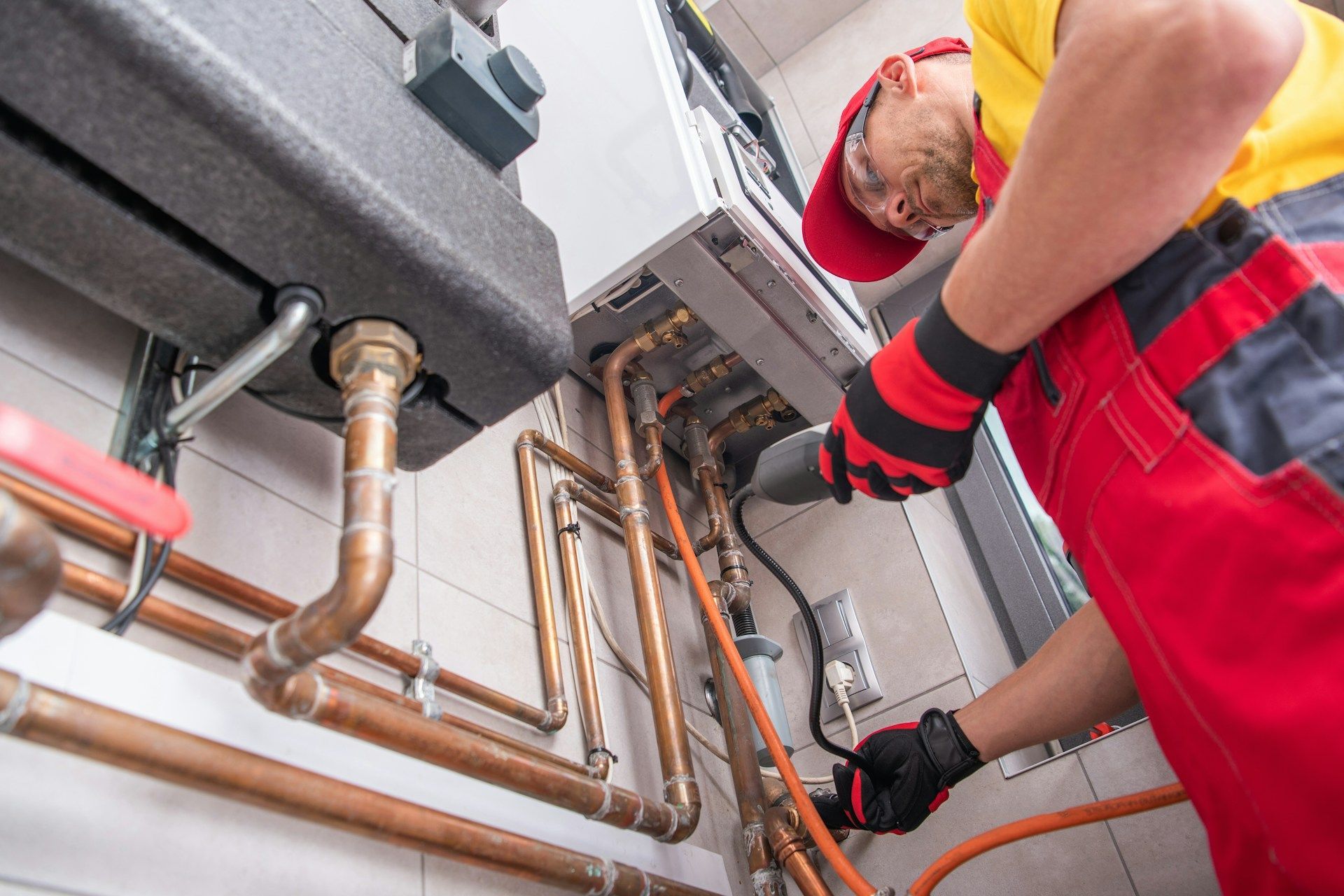
A standard tank water heater lasts between
8 and 12 years, while a tankless water heater can
last
15 to 20 years with proper maintenance.
The actual lifespan depends on your system type, local water quality, household usage, and whether you keep up with routine care. Here in Connecticut, where hard water and cold winters stress heating systems, understanding your water heater's life expectancy saves you from unexpected breakdowns.
We put together this guide at
Elite Mechanical Plumbing & Heating to help homeowners across
Hartford,
Litchfield, and New Haven counties know when to maintain, repair, or replace their water heater. With nearly two decades of experience, we've seen thousands of units through their full lifecycle.
Summary
- Tank water heaters last 8–12 years on average, while tankless models can serve your home for 15–20 years with proper care.
- Water quality, annual maintenance, and household usage are the three biggest factors that determine lifespan.
- Rusty water, strange noises, inconsistent temperatures, and visible leaks signal your unit is nearing the end.
- Annual professional maintenance can add 2–5 years to your water heater's lifespan.
Water Heater Lifespan by Type
Not all water heaters are built the same. The type of system in your home plays the biggest role in how long it will last.
Traditional tank water heaters are the most common option, typically lasting 8–12 years. Gas-powered models tend to fall closer to 8–10 years because the gas burner creates more wear on internal components. Electric tank models generally reach 10–15 years since their heating elements produce less stress on the tank.
Tankless water heaters heat water on demand, avoiding the corrosion and sediment issues that cause tank models to fail.
A well-maintained tankless unit can last 15–20 years, with some high-quality models exceeding 25 years. Hybrid heat pump water heaters fall in the 13–15 year range and offer excellent energy efficiency.
Key Takeaways
- Gas tank models last 8–10 years; electric models can reach 10–15 years.
- Tankless water heaters last nearly twice as long as traditional tank models.
What Shortens Your Water Heater's Lifespan?
Even the best water heater won't reach its full potential if conditions are working against it.
Hard Water and Sediment Buildup
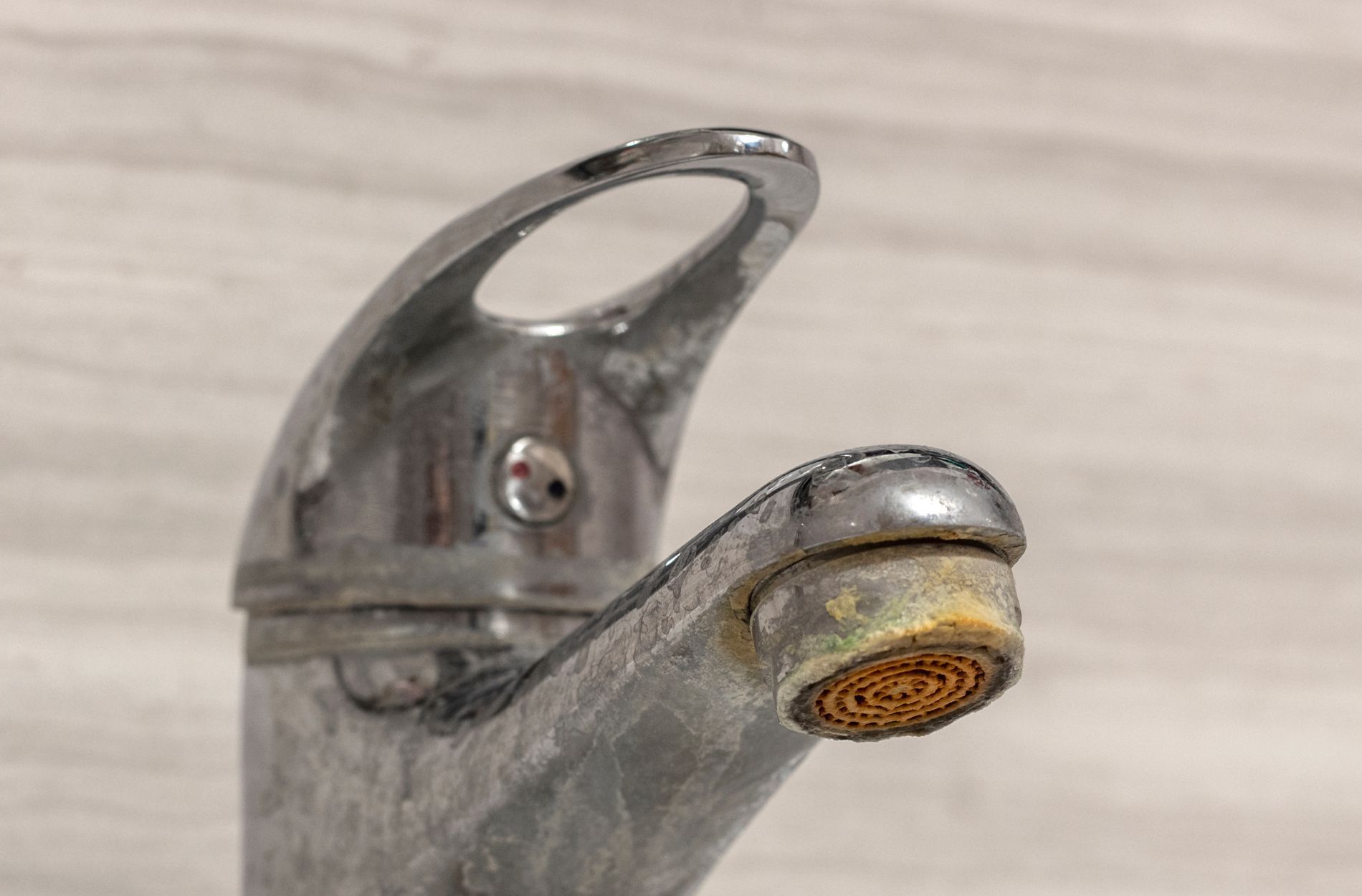
Hard water is the number one enemy of water heaters in Connecticut. Elevated calcium and magnesium levels settle as sediment at the bottom of your tank, forcing the unit to work harder and eventually causing overheating and cracking.
According to the Water Quality Association, hard water can reduce a water heater's efficiency by up to
48% and significantly shorten its service life.
Skipping Annual Maintenance
A water heater that never receives maintenance will fail years before its time. Annual flushing removes sediment before it hardens, and inspecting the anode rod — the sacrificial metal rod designed to attract corrosive elements — ensures your tank's interior stays protected. Replacing a $20–$50 anode rod every 3–5 years is one of the simplest ways to extend your water heater's life.
Overworking the System
A water heater too small for your household runs constantly trying to keep up with demand. This constant cycling wears out components faster.
Properly sizing your water heater to your household's hot water demand is essential for maximizing lifespan.
Key Takeaways
- Hard water can reduce efficiency by nearly 48% and accelerate tank failure.
- Skipping annual maintenance shortens your water heater's lifespan by 2–5 years.
Warning Signs Your Water Heater Needs Replacement
Knowing when to replace your water heater before it fails saves you from water damage and emergency calls.
If your tank water heater is
over 10 years old, start planning for a replacement. Check the serial number on the manufacturer's label — the first letter represents the month, and the following two digits indicate the year.
Rusty or discolored hot water from only the hot tap indicates internal corrosion. Strange rumbling or popping noises signal hardened sediment at the bottom of the tank. Visible leaks around the base are serious —
a leaking water heater tank cannot be repaired and must be replaced immediately. If energy bills climb without a change in usage, your unit may be losing efficiency, as older water heaters consume
20–30% more energy than newer models.
Key Takeaways
- Plan for replacement once your tank water heater passes the 10-year mark.
- A leaking tank requires immediate replacement to prevent water damage.
How to Extend the Life of Your Water Heater
With the right care, you can push your water heater well past its average lifespan.
Step 1: Schedule an annual professional inspection. A licensed technician can check your pressure relief valve, inspect the anode rod, and test efficiency. We recommend annual inspections for all
water heater types.
Step 2: Flush the tank at least once a year. This removes loose sediment and prevents mineral buildup from hardening. In hard water areas like Connecticut, flushing every 6 months is even better.
Step 3: Replace the anode rod every 3–5 years. This inexpensive rod protects your tank from internal corrosion.
Step 4: Set your thermostat to 120°F. According to the U.S. Department of Energy, every 10°F reduction lowers water heating costs by
3–5%.
Step 5: Consider a water softener. A
water softening system dramatically reduces mineral buildup, extending your water heater's life and improving appliance efficiency.
Key Takeaways
- Annual flushing and anode rod checks are the most impactful maintenance tasks.
- A water softener in hard water areas can add years to your water heater's lifespan.
Repair vs. Replace: Making the Right Call
If your unit is under 8 years old and the repair cost is less than 50% of a new installation, repairing usually makes sense. A faulty thermostat, burned-out heating element, or leaking relief valve are affordable fixes that keep a younger unit running.
Once your water heater crosses 10 years, repair costs add up and you're often delaying the inevitable.
For water heaters over 10 years old, replacement is almost always more cost-effective than repeated repairs. A new unit can lower monthly energy bills by 20–30% compared to an aging system.
Key Takeaways
- Repair makes sense for units under 8 years when the fix costs less than half a replacement.
- Modern water heaters offer 20–30% better energy efficiency, offsetting the upfront cost over time.
Keep Your Home's Hot Water Running Strong
Your water heater works hard every day, and understanding its lifespan helps you plan ahead rather than react to emergencies. Staying on top of maintenance is the smartest thing you can do.
At Elite Mechanical, we've been helping Connecticut homeowners with
water heater services
for nearly 20 years. Our licensed technicians evaluate your system, recommend maintenance plans, and guide you through replacement — all with transparent, upfront pricing.
Give us a call at (860) 584-8844 to schedule your water heater inspection. We're here to help you make the best decision for your home.