Rusty Water Warnings Bristol Homeowners Cannot Ignore
Rusty, brownish water coming from your tap is not something to shrug off. It looks bad, smells odd, and makes you wonder if it is even safe to drink. For many Bristol homeowners, that first sight of discolored water is the moment they realize something is going on inside their plumbing.
Rusty water is more than a cosmetic problem. It can stain your sinks and tubs, ruin a load of laundry, and make coffee or tea taste strange. Even more important, it can be a sign of aging pipes, a struggling water heater, or other problems building inside your system. In some cases, it can point to conditions that may affect your family’s health.
In this article, we will walk through what rusty water is really telling you, how it affects your home, what seasons can do to your plumbing in the Bristol area, and when a water filtration system in Bristol, CT makes sense as part of the solution.
What Rusty Water Is Really Telling You About Your Pipes
That brown or orange tint usually means iron is in your water. The most common reasons are inside your plumbing, not just in the water supply coming in.
Common causes include:
- Corroded galvanized steel or iron pipes inside the home
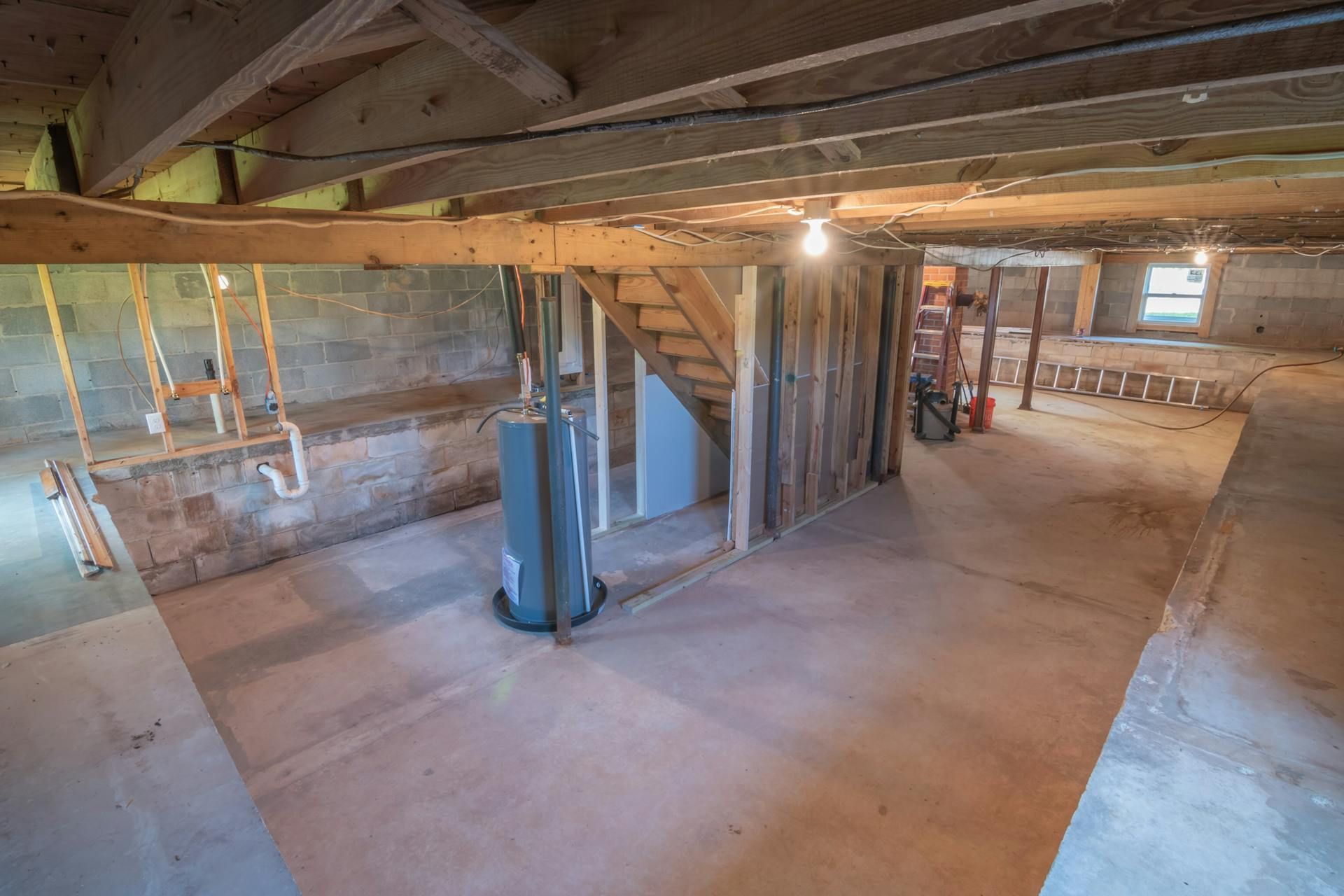
- An aging water heater tank with rust inside the lining
- Sediment that has built up in pipes or the heater and then gets stirred up
- Changes in water flow after repairs or utility work in your street
A big first step is figuring out where the problem starts. A few simple clues can help your plumber track it down:
- Only hot water is discolored: often points to the water heater
- Both hot and cold are rusty at all faucets: could be older house piping or the city supply
- Only one bathroom or one faucet is affected: may be a local section of pipe or a fixture issue
- Rusty water right after nearby main repairs or hydrant flushing: may be from disturbed city mains
If rusty water is ignored, the long-term risks can grow quietly behind walls and under floors. Corroded pipes do not heal themselves. Over time, corrosion can cause:
- Pinhole leaks that drip slowly and damage drywall or floors
- Build-up inside pipes that reduces water pressure
- Hidden pipe failures that show up as sudden bursts or flooding
- Emergency repairs that are far more stressful and costly than early fixes
How Rusty Water Affects Your Family and Your Home
Most rusty water problems are more about quality and comfort than direct poisoning. Iron itself is not usually the main health concern. The bigger worry is what rusty water might signal about the condition inside your plumbing.
When water sits in corroded pipes, it can create rough surfaces where bacteria may grow more easily. It can also point to older plumbing that may contain other metals, like lead or manganese, especially in very old neighborhoods. That is why a professional inspection and water testing are so important if you see repeated discoloration.
Around the house, rusty water causes daily headaches:
- Stained sinks, tubs, and toilets that are hard to clean
- Orange or yellow stains on clothes and towels after washing
- Metallic or earthy taste in drinking water, coffee, and tea
- Family members avoiding tap water and relying on bottled water
There are also hidden financial costs over time. Rust and sediment can:
- Wear down washing machine valves and interiors
- Clog small passages in dishwashers
- Shorten the life of faucets and showerheads
- Add to the chances of leaks and breakdowns
So while you might be tempted to ignore a little tint here and there, it can quietly eat away at your plumbing system and your budget.
Seasonal Plumbing Stress for Bristol, CT Homes
In the Bristol area, winters are hard on plumbing. When spring rolls in and temperatures jump up and down, older pipes can start to show the strain that has built up over the colder months.
Here is how the seasons can affect water quality and rusty water:
- Pipes expand and contract with temperature swings, which can worsen existing corrosion
- Older iron water mains in some areas may release more sediment when flow changes
- Water heaters work harder in cold weather, which can speed up wear inside the tank
- Long periods of low use in certain fixtures over winter can let sediment settle
As you move into spring, a few simple habits can help you spot problems early:
- Flush outside spigots before watering the yard and check the water color
- Run each indoor faucet for a short time and see if the water clears or stays tinted
- Pay attention to any new noises, like banging or knocking, that may mean loose sediment inside pipes or the heater
These seasonal checks do not replace professional service, but they do help catch warning signs before peak summer use, when everyone is running sprinklers, showers, and washing machines more often.
When Filtration Is the Fix and When It Is Not
Many Bristol homeowners hear about a water filtration system in Bristol, CT and hope it will solve all rusty water problems in one shot. Filtration can be a big help, but it is not a magic bandage for badly corroded pipes.
Whole-home filtration systems can:
- Trap rust particles and sediment before they reach fixtures
- Improve clarity, taste, and odor of water throughout the house
- Protect appliances by keeping grit out of small parts
What they cannot do is stop metal pipes from rusting or repair the damage that already exists. If your plumbing is very old or your water heater tank is breaking down inside, filtration alone will not fix the root problem.
Point-of-use filters, like under-sink or faucet-mounted units, are different from whole-house systems:
- Point-of-use filters treat water at one tap, often the kitchen sink
- Whole-house systems treat water as it enters the home, before it reaches any fixture
For mild discoloration or taste issues, a point-of-use filter may be enough for drinking and cooking. For widespread rusty water, a whole-house system plus pipe or heater work may be needed. A licensed plumber can check your system, test the water, and tell you whether repair, replacement, filtration, or a mix is the smart move.
Choosing the Right Water Filtration System in Bristol, CT
If filtration is part of your plan, the details of your water problem matter. Before you talk with a pro, it helps to notice a few things:
- Is the rusty water always there, or does it come and go?
- Do you see it only in hot water, or in both hot and cold?
- Are there strange smells, like rotten egg or strong metal?
- Is one area of the house worse than others?
These answers guide the choice of filters. Some common options include:
- Sediment filters that catch sand, grit, and rust flakes
- Carbon filters that help with taste and odor issues
- Multi-stage systems that combine different types of filters for homes with more than one concern
At Elite Mechanical, we look at local water conditions in the Bristol area, the age and layout of your pipes, the size of your family, and how you use water day to day. From there, we can match you with options that are reliable and as low-maintenance as possible, instead of a one-size-fits-all setup that does not really match your home.
Improve Your Home’s Water Quality With Expert Filtration Solutions
If you are ready to enjoy cleaner, better-tasting water, our team at Elite Mechanical can design and install a customized
water filtration system in Bristol, CT that fits your home’s needs. We start by evaluating your current water quality, then recommend solutions that target the specific issues affecting your tap. To schedule a consultation or ask questions about your options, simply
contact us today.