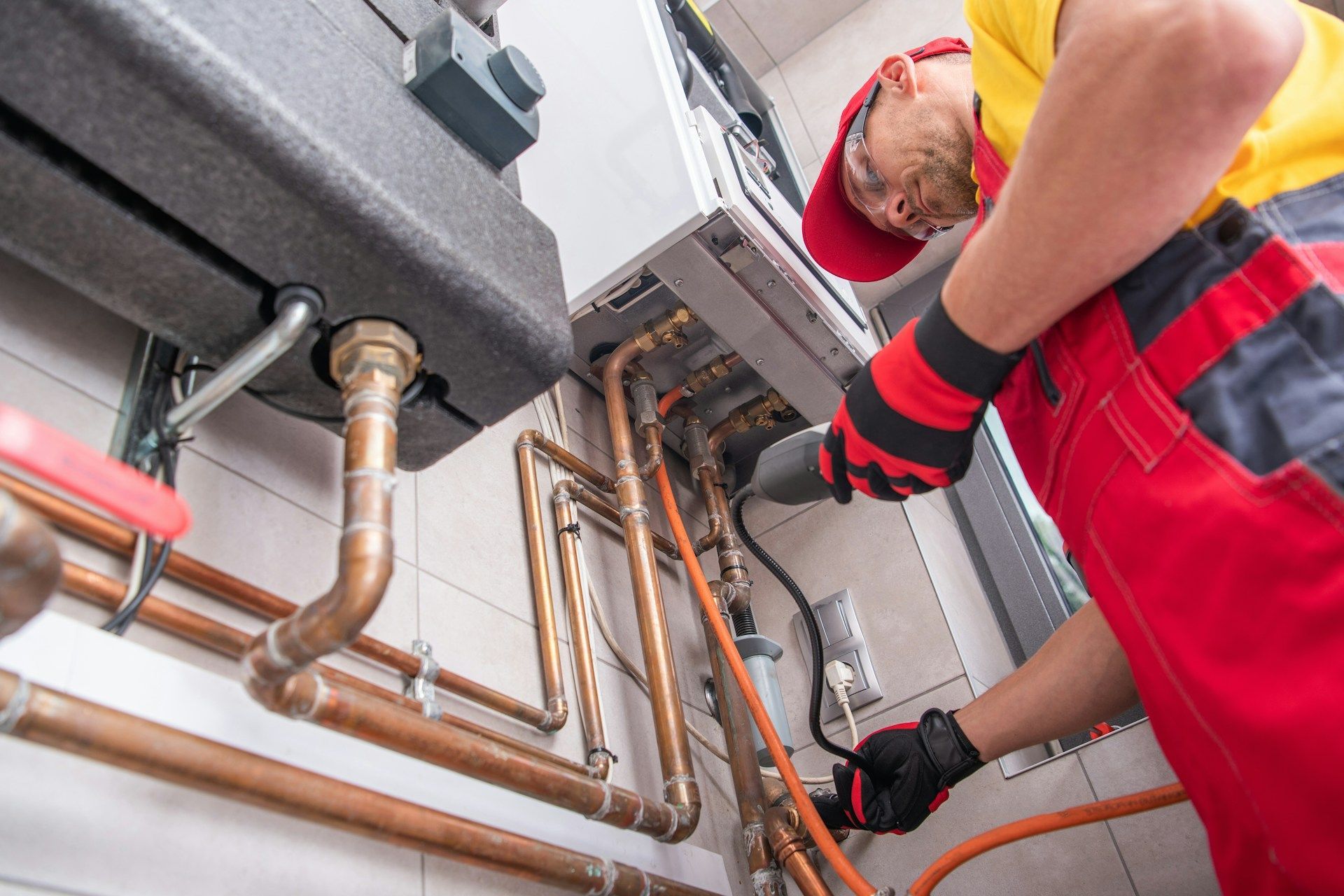
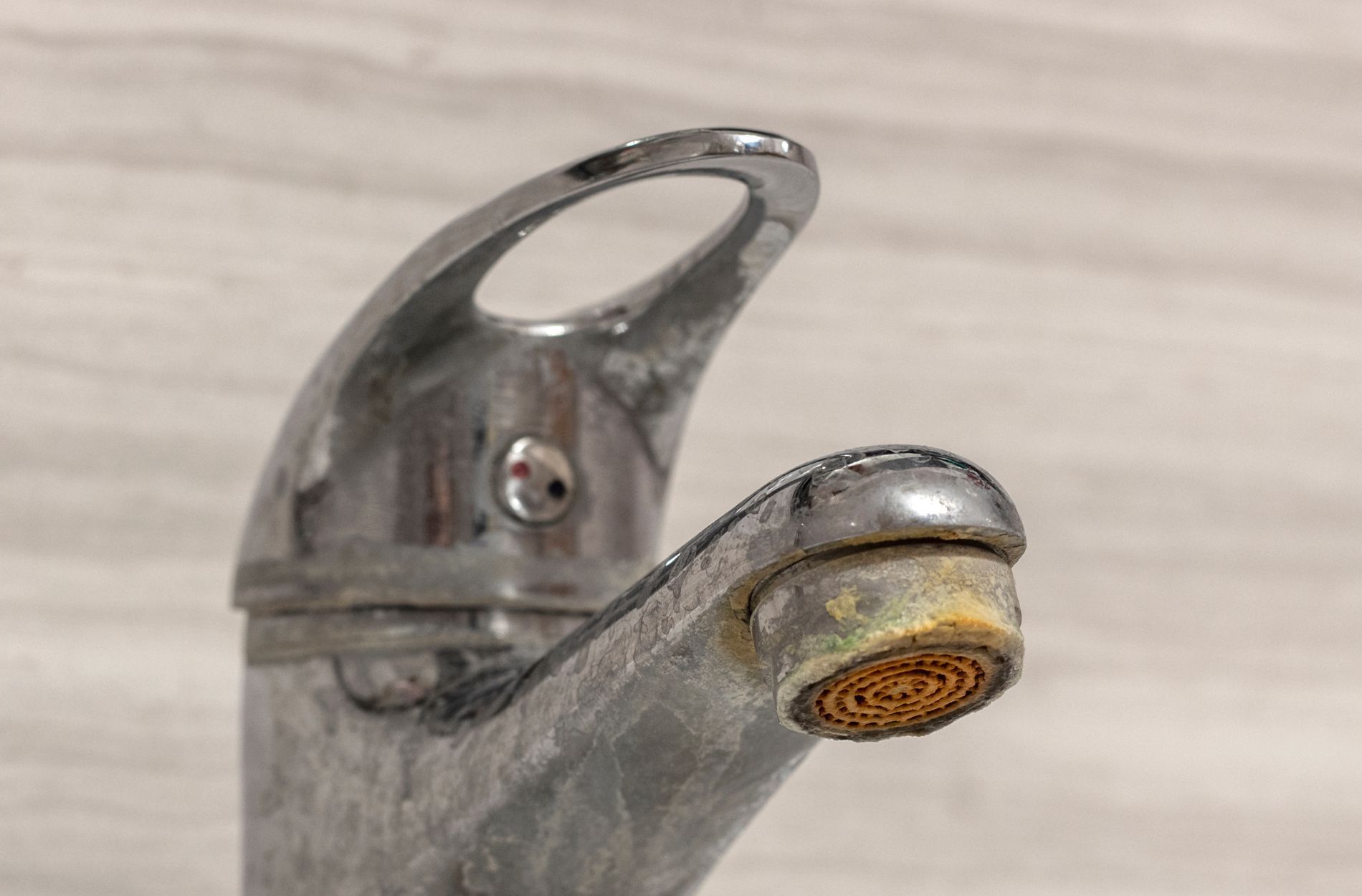
Tankless water heaters heat water on demand without storage, using 24-34% less energy than traditional tank units, while traditional water heaters store 40-50 gallons of pre-heated water for immediate use at lower upfront costs. The right choice depends on your household's daily hot water consumption, budget constraints, available installation space, and long-term energy goals.
For Connecticut homeowners facing cold groundwater temperatures and high heating demands, understanding how each system performs in real-world conditions can mean the difference between years of reliable hot water and costly regrets.
Summary
- Tankless water heaters deliver 24-34% greater energy efficiency for homes using 41 gallons or less of hot water daily, but installation costs run 2-3 times higher than traditional units
- Traditional tank water heaters cost $300-$480 for the unit compared to $800-$1,150 for tankless models, making them more budget-friendly upfront
- Tankless systems last 20-30 years versus 10-15 years for tank models, potentially offsetting the higher initial investment over time
- Water heating accounts for nearly 18% of the average household's total energy bill, making this decision financially significant for Connecticut families
How Each Water Heater Type Actually Works
Understanding the fundamental differences between these two technologies helps you make a decision that fits your household's specific needs. Let's break down exactly what happens when you turn on that hot water tap.
Traditional storage tank water heaters maintain a reservoir of 40-50 gallons of heated water at all times. A pipe transports this pre-heated water throughout your home whenever you need it at sinks, showers, or appliances. The tank continuously reheats water to maintain temperature, which creates what energy experts call "standby heat loss."
Tankless water heaters, also known as on-demand or demand-type systems, take a completely different approach. When you turn on the hot water, cold water flows through a heat exchanger where either a gas burner or electric element rapidly heats it.
The water heats as it passes through the unit, delivering hot water directly to your faucet without any storage tank involved.
Key Takeaways
- Traditional tanks store and continuously reheat 40-50 gallons of water, creating standby energy losses
- Tankless systems heat water only when you need it, eliminating standby heat loss entirely
- Both gas and electric versions exist for each type, with gas models typically providing higher flow rates
Energy Efficiency and Monthly Utility Savings
The energy question sits at the heart of the tankless vs. traditional debate, and the numbers tell a compelling story for homeowners watching their utility bills climb.
According to the U.S. Department of Energy,
tankless water heaters can be 24-34% more energy efficient than conventional storage tank water heaters for homes using 41 gallons or less of hot water daily. For households with higher consumption—around 86 gallons daily—tankless systems still maintain an 8-14% efficiency advantage.
Research from Consumer Reports found that tankless water heaters were 22% more efficient on average than gas-powered tank water heaters. A Minnesota field study conducted by the Center for Energy and Environment revealed that replacing a typical natural draft storage water heater with a tankless model yielded
37% savings in water heating energy per household.
What does this mean for your wallet? The Department of Energy estimates that a gas-powered tankless water heater lowers energy costs by approximately $100 annually, while electric tankless models reduce costs by about $44 per year. ENERGY STAR certified condensing gas tankless water heaters save a typical 4-person household around $95 per year on gas bills—equal to roughly $1,800 over the appliance's lifetime.
Key Takeaways
- Tankless water heaters use up to 34% less energy daily for homes with moderate hot water usage
- Annual savings range from $44-$100 depending on whether you choose electric or gas models
- A typical family can save at least $100 annually using an ENERGY STAR-certified tankless heater
Upfront Costs and Installation Considerations
Here's where the tankless vs. traditional decision gets complicated. While tankless systems win on energy efficiency, traditional water heaters hold a significant advantage when it comes to initial investment.
Tank water heaters typically cost $300-$480 for the unit itself. Installation generally runs between $1,000 and $1,500 for electric models. Tankless water heaters range from $800-$1,150 for the unit alone, and installation costs often exceed traditional units due to venting requirements and potential gas line modifications.
Changing venting configurations and gas piping can increase tankless installation costs significantly, creating payback periods ranging from 20-40 years in some retrofit situations. However, when a tankless water heater gets installed during new construction or major remodeling, builders can plan for necessary venting and gas lines upfront, reducing payback time by 5-10 years.
For homes that already require a power-vented water heater for safety reasons, any water heater will incur venting costs. In these situations, the payback for a tankless water heater improves by 10-15 years when compared to a power-vented tank-type water heater.
Key Takeaways
- Traditional tank units cost 2-3 times less upfront than tankless systems
- Installation complexity for tankless units can add significant costs in retrofit situations
- New construction installations dramatically improve tankless payback periods
Lifespan and Long-Term Value
Tankless water heaters typically last 20-30 years, which is approximately double the forecasted useful life of a storage tank water heater at 10-15 years. This extended lifespan changes the cost equation considerably when you factor in replacement expenses and the hassle of emergency installations.
The longer lifespan means tankless owners avoid multiple water heater replacements over decades of homeownership. However, Connecticut's hard water conditions can reduce the useful life of both types of water heaters if you skip regular maintenance like annual flushing and descaling.
At Elite Mechanical, we've developed specialized descaling techniques that prevent mineral buildup without harsh chemicals. This process extends equipment life and maintains optimal performance—something particularly important for homes throughout Connecticut dealing with local water quality challenges.
Traditional tank water heaters require less specialized maintenance but benefit from annual inspections and sediment flushing. Neglecting this maintenance leads to reduced efficiency, rumbling noises, and premature failure.
Key Takeaways
- Tankless systems can last twice as long as traditional tanks when properly maintained
- Hard water areas like Connecticut require regular descaling to maximize lifespan
- The longer tankless lifespan can offset higher upfront costs over 20+ years of ownership
Hot Water Capacity and Flow Rate Limitations
Understanding how each system delivers hot water prevents disappointment after installation. This is where household size and usage patterns become critical factors.
Traditional tank water heaters provide immediate access to their full storage capacity. A 50-gallon tank can supply multiple fixtures simultaneously until depleted, then requires 30-60 minutes to reheat. Sizing depends on household peak hot water demand—a typical family of four needs a 40-50 gallon tank system.
Tankless water heaters provide continuous hot water but with flow rate limitations.
Tankless systems typically deliver hot water at 2-5 gallons per minute, with gas-fired models producing higher flow rates than electric versions. This means even gas-fired tankless heaters may struggle to supply enough hot water if someone showers while the dishwasher runs.
For larger households, the solution involves installing tankless units rated for 7-8 gallons per minute or connecting multiple tankless water heaters in parallel. Installing a tankless heater at each hot water outlet can increase energy savings by 27-50%, though this approach adds significant upfront investment.
Key Takeaways
- Traditional tanks provide immediate high-volume capacity but run out during heavy usage
- Tankless flow rates limit simultaneous fixture use in some households
- Multiple tankless units solve capacity issues but increase installation costs
Which System Works Best for Your Situation
Tankless water heaters make the most financial sense for smaller households, new construction projects, and homeowners planning to stay in their homes long-term. Traditional tanks remain the practical choice for larger families with high simultaneous hot water demands, budget-conscious homeowners, and those in rental properties.
Consider these scenarios when making your decision:
For smaller households (1-2 people) using moderate amounts of hot water, tankless systems deliver maximum energy savings with minimal flow rate concerns. The 24-34% efficiency improvement translates to real monthly savings.
For larger families (4+ people) with multiple bathrooms and high peak demand, traditional tanks may provide more reliable service without the complexity and cost of multiple tankless units. The ability to draw 40-50 gallons simultaneously handles morning rush periods better.
For homeowners building new or doing major renovations, tankless installation costs drop significantly when planned during construction. This creates the best opportunity to capture long-term savings without excessive installation expenses.
Key Takeaways
- Smaller households benefit most from tankless efficiency gains
- Larger families may find traditional tanks more practical for peak demand
- New construction dramatically improves the financial case for tankless
Making the Right Decision for Your Home
Water heating represents nearly 18% of the average household's total energy bill, making this decision financially significant for every Connecticut homeowner. Whether you choose the continuous hot water and energy efficiency of a tankless system or the reliable simplicity and lower upfront cost of a traditional tank, proper installation and maintenance determine long-term satisfaction.
At Elite Mechanical Plumbing & Heating, we've spent nearly two decades helping homeowners across Bristol, Hartford, Litchfield, and New Haven counties navigate exactly this decision. Our licensed technicians specialize in both traditional tank and modern tankless systems, providing expert installation, maintenance, and emergency repairs backed by our 1-year parts and labor warranty.
We assess your specific usage patterns and recommend appropriately-sized equipment for optimal performance and efficiency. Our team handles all necessary permits and inspections required for water heater installation in Connecticut, ensuring every installation meets or exceeds safety and performance standards.
Ready to explore which water heater type fits your home best? Contact us today at
(860) 584-8844 for a personal in-home consultation.
First-time customers receive 10% off services, and we provide detailed, no-obligation estimates so you can make an informed decision about your home's hot water system. Check out our blog for more water heater insights, or visit us at 69 Park St, Bristol, CT to discuss your options with our expert team.