Decode Those Plumbing Noises Before They Become Disasters
Strange plumbing sounds can make any home feel a little less safe. Banging pipes in the middle of the night, gurgling drains in the bathroom, or a high-pitched whistle near the water heater can all be early warnings that something in your plumbing or heating system needs attention.
We’re here to be the calm in the storm. Our licensed team is on the road every day providing same-day emergency response for strange noises, leaks, loss of hot water, and heating failures, so you get fast help and real peace of mind. Before we arrive, there are a few simple checks you can do safely. This guide walks through how to tell if the noise is coming from pipes, drains, or appliances, what quick checks are usually safe, and when it’s time to call our team for professional plumbing repair in Bristol, CT, backed by guaranteed workmanship and a 1-year warranty.
When Pipes Talk Back: Banging, Whistling, and Humming
Banging or knocking in the pipes, often called water hammer, usually happens when water flow stops too fast. Fast-closing valves on washing machines, dishwashers, or ice makers can slam the moving water to a sudden stop, which makes pipes jump and bang in the walls or basement.
A few simple things you can check safely include:
- Close manual valves like sink or toilet shutoffs slowly instead of snapping them shut
- Look at exposed pipes in the basement or under sinks and see if hangers or straps are loose
- Turn a faucet on and off and listen for sudden changes in pressure or loud knocks
Whistling, squealing, or shrieking sounds often point to partially closed valves, worn faucet parts, or high water pressure. These sounds may show up:
- Under sinks when you run hot or cold water
- Behind toilets when they refill
- Near the main water shutoff coming into the house
If you can safely reach a valve, you can gently open it all the way or close it slightly and see if the pitch changes. If the sound gets worse or does not improve, stop and leave it as it was.
Humming and vibration can come from well pumps, boilers, or high-pressure lines that transmit noise through the framing. You might notice:
- A low hum when no water fixtures are running
- Vibration on accessible copper pipes
- The sound changing when a certain faucet or appliance runs
You can carefully touch an exposed pipe with the back of your hand to feel for vibration, but avoid any electrical components. If the noise is constant, louder than it used to be, or you can feel strong vibration, it’s time for our licensed team to perform a same-day inspection. Our emergency response technicians can stabilize the issue quickly and protect your home.
Noisy Drains and Gurgling Fixtures Explained
Gurgling or “glugging” after flushing a toilet or draining a tub usually points to partial clogs or venting issues. When pipes cannot pull in enough air through the vent system, water struggles to drain, and you hear that hollow gurgle as air and water fight for space.
Some basic, safer steps include:
- Use a plunger with a good seal around the drain or toilet
- Run hot (not boiling) water down a slow sink to help loosen light buildup
- Use a small manual drain snake if you are comfortable, but avoid harsh chemical cleaners that can damage pipes and fixtures
Slow drains with bubbling can be a sign of a vent stack problem or a developing main line clog. Pay attention to patterns like:
- A tub or shower gurgling when you flush a nearby toilet
- Multiple sinks draining slowly in different parts of the house
- Bubbles coming up in one drain while another is running
Walk around the home and note which fixtures are slow or noisy. This helps tell whether it is a single fixture issue or something deeper in the system.
Treat it as an emergency if you notice:
- Sewage odors inside the home
- Water backing up into tubs, showers, or floor drains
- Multiple fixtures clogged or backing up at the same time
These signs point to a serious blockage or failure that needs licensed help right away to avoid sewage damage, mold, and bigger structural repairs. Our professional service in Bristol, CT, comes with guaranteed workmanship and a 1-year warranty on most repairs, so you get long-term protection and peace of mind.
Appliances and Heating Systems That Make Worrying Sounds
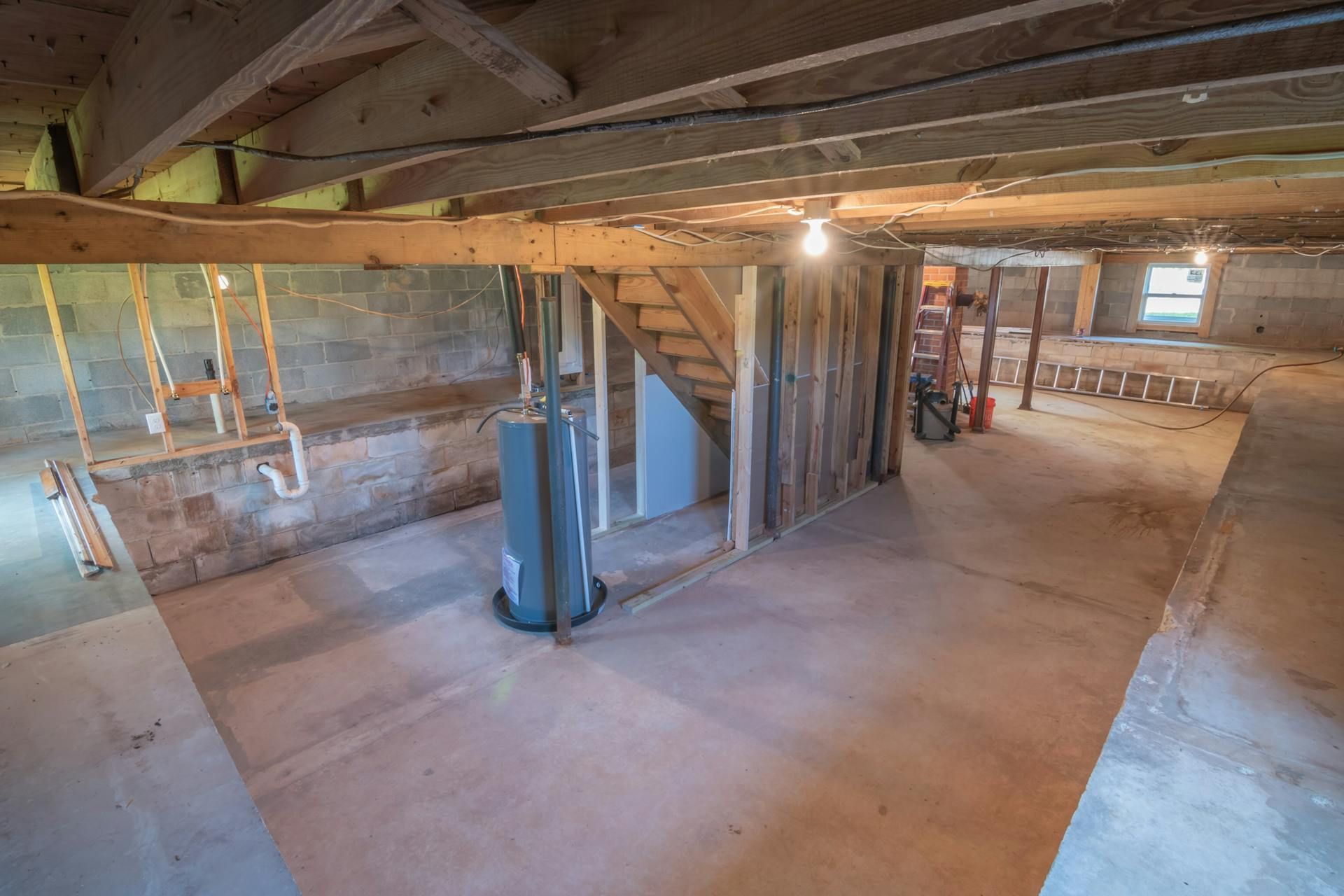
Water heaters can make popping, rumbling, or sizzling sounds when mineral buildup collects at the bottom of the tank. Trapped water under that sediment turns to steam and pops through, especially when the heater is working hard. You might also hear sizzling if water drips onto a hot burner or element.
You can do a couple of quick checks:
- Stand at a safe distance and feel if the outside of the tank seems extremely hot in spots
- Listen for a burner or heating element that seems to run without stopping
If the noises keep coming or get louder, it usually means the tank needs professional flushing or it may be time to talk with our team about a high-efficiency upgrade. We regularly install tankless water heaters that can cut down on noise, reduce scale buildup, and help lower utility costs over the long term.
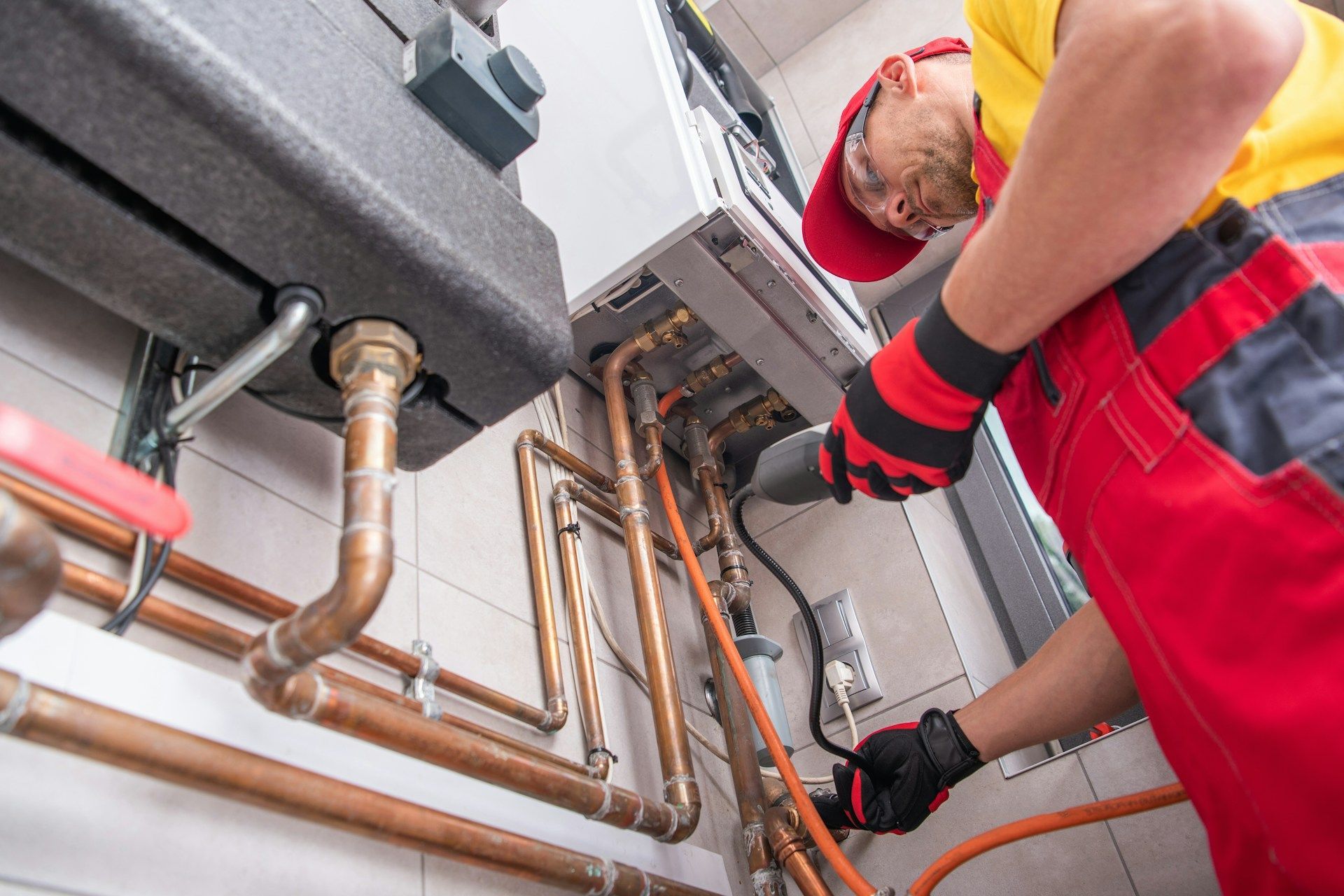
Boilers and hydronic heating systems can clank, hiss, or knock if there is air in the lines, low system pressure, or a circulator pump starting to fail. You may notice:
- Hissing from baseboard heaters
- Clanking or ticking as radiators heat up
- Knocking pipes when the heat first turns on
You can look at any visible pressure gauge on the boiler without opening the system and listen closely to where the sound begins. Bleeding radiators or changing boiler pressure is not a DIY task unless you are very experienced, so it is usually safer to leave that to a licensed technician. Our heating specialists provide same-day emergency response for heating failures, so you are not left in the cold.
Dishwashers, washing machines, and ice makers can also pass their noise into your plumbing. Thuds, rattling, and sharp clicks often come from:
- Solenoid valves snapping closed when the water cycle stops
- Hoses that bang against the wall or back of the cabinet
- Vibrating supply lines during spin or wash cycles
If you can safely move an appliance a few inches, you can check that hoses are not kinked and that supply lines are not slapping against a hard surface. Gently tighten accessible hose brackets if they are loose. Ongoing noise can mean both the appliance and the plumbing should be checked together during a professional plumbing repair in Bristol, CT. Our licensed plumbers and installers can coordinate the full repair so you do not have to juggle multiple contractors.
Safe DIY Checks Before You Call for Help
Before calling for help, a short “listening tour” around your home can give you useful information. This simple process only takes about 10 to 15 minutes:
- Turn off all fixtures and appliances that use water
- Start with one fixture, like the kitchen sink, and run it while you listen around nearby walls and the basement ceiling
- Move room by room, testing each bathroom, laundry, and any outside hose bibs
- Note where each noise is loudest, what it sounds like, and which fixture seems to trigger it
There are a few other simple, low-risk adjustments most homeowners can handle:
- Check individual shutoff valves under sinks and toilets to see that they are fully open
- Gently tighten loose pipe straps on visible pipes in the basement or utility areas
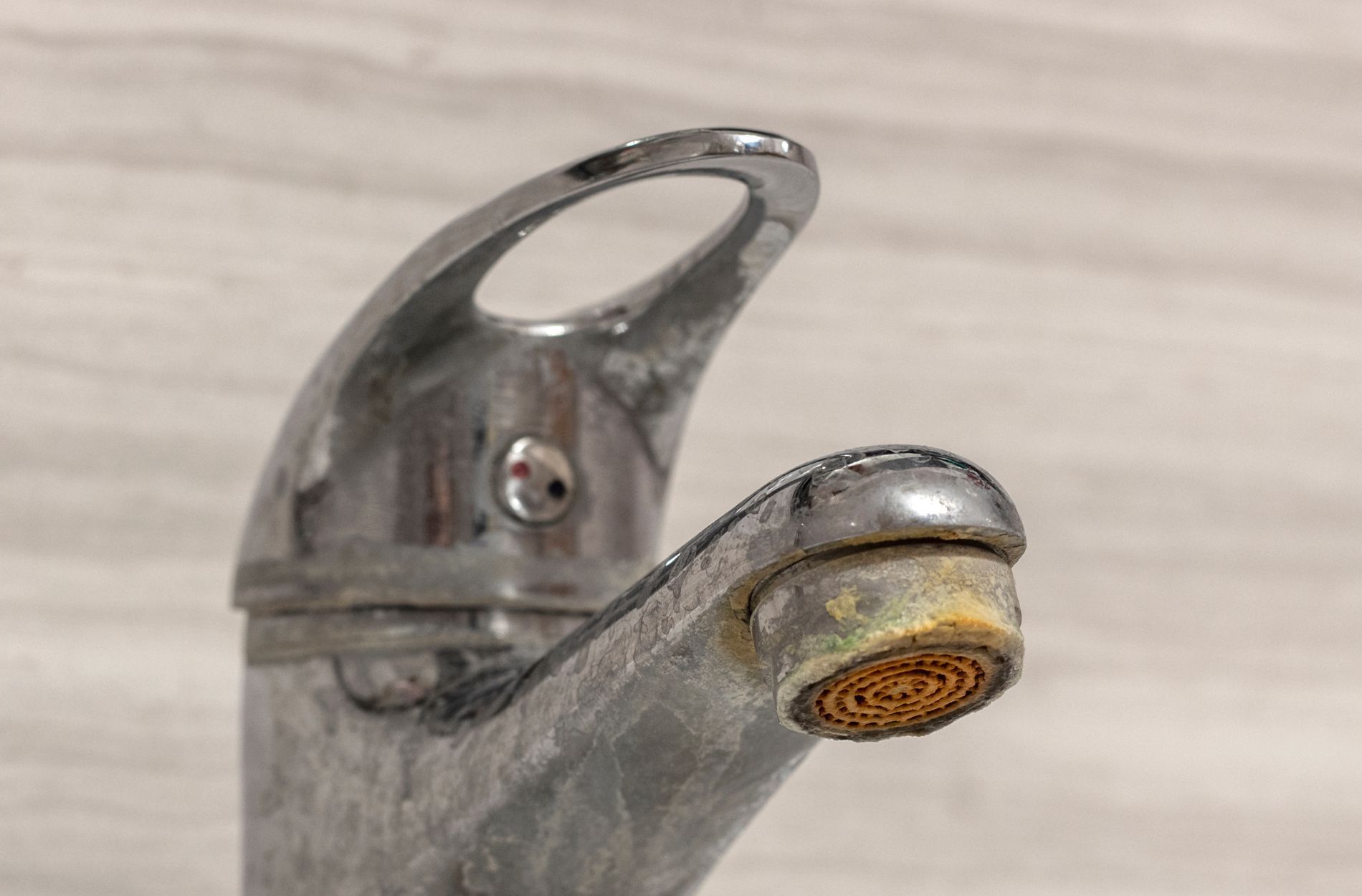
- Unscrew and rinse faucet aerators to clear grit that can cause whistling or poor flow
- Confirm washing machine and dishwasher hoses are secured and cushioned so they do not bang against cabinets or studs
Know when to stop and put the tools down. Do not push DIY any further if you notice:
- Sudden loss of water pressure or no water at all
- Visible leaks, dripping ceilings, or water around the base of equipment
- Tap water that suddenly feels scalding hot
- Electrical smells, smoke, or visible charring near any plumbing or heating equipment
- Any noise that suddenly gets much louder, more frequent, or adds new sounds
At that point, the safest move is to let our licensed team handle the diagnostics and repair. Our emergency response protects both your home and your family’s safety, and our 1-year warranty on our workmanship gives you added peace of mind.
When a Licensed Pro Should Be Your Next Step
Unexplained banging, gurgling, humming, or rumbling rarely fixes itself. These sounds often point to pressure problems, hidden leaks, partial clogs, or equipment that is wearing out. Getting a licensed technician from our team on site for plumbing repair in Bristol, CT helps you catch issues early and repair them with guaranteed workmanship backed by a 1-year warranty on most services.
Planning ahead can also lead to a quieter, more efficient plumbing system. High-efficiency upgrades like tankless water heaters and whole-home water-filtration can reduce scale buildup, lower stress on pipes, cut down on many noise issues, and help keep utility use in check. Our team can look at your home’s age, water quality, and budget, then recommend options that fit your goals for comfort, health, and long-term savings.
We’re ready to help today. Our trucks are stocked for same-day emergency response in Bristol, CT, so you don’t have to wait while small noises grow into major damage.
Special Offer: 10% Off for First-Time Customers
To make it even easier to get the help you need, we’re currently offering 10% Off for First-Time Customers on qualifying plumbing and heating repairs. Call our team at the first sign of banging, gurgling, or humming, and let us restore quiet, safety, and peace of mind to your home with licensed service and guaranteed workmanship.
Restore Comfort With Reliable Plumbing Repair Today
If you are dealing with leaks, clogs, or inconsistent water pressure, we are ready to help you get your home back to normal with expert
plumbing repair in Bristol, CT. At Elite Mechanical, we diagnose problems quickly and explain your options clearly so you can make confident decisions. To schedule service or request a quote, simply
contact us and we will follow up promptly to confirm the details.