Few household emergencies are as stressful as discovering water gushing from a burst pipe.
Whether it's 2 AM on a freezing January night or the middle of a busy workday, a burst pipe demands immediate action.
The difference between a manageable repair and catastrophic water damage often comes down to how quickly and effectively you respond in those critical first minutes.
We've helped countless Connecticut homeowners navigate this exact situation, and we want you to feel prepared if it ever happens to you.
Summary
- Shutting off the main water supply immediately is the single most important action you can take when a pipe bursts, preventing additional flooding while you address the situation
- The average U.S. household claim for water damage and freezing exceeds $12,500, making fast response essential for minimizing financial impact
- Connecticut's cold winters and older housing stock create elevated risks for frozen and burst pipes, particularly in unheated areas like basements and crawl spaces
- Calling a licensed emergency plumber promptly ensures proper repairs that prevent recurring problems and protect your home's plumbing infrastructure
Step One: Shut Off Your Main Water Supply Immediately
When a pipe bursts in your home, the clock starts ticking. Water damage can occur rapidly, so it's important to act fast and effectively. Your absolute first priority is stopping the flow of water into your home.
As soon as you notice water coming from the burst pipe, shut off the main water valve to the house. Doing so will prevent any more water from flowing out of the pipe. The main shut-off valve is usually at the water meter or where the main line enters the house.
If you don't already know where your main shutoff valve is located, take a moment right now to find it.
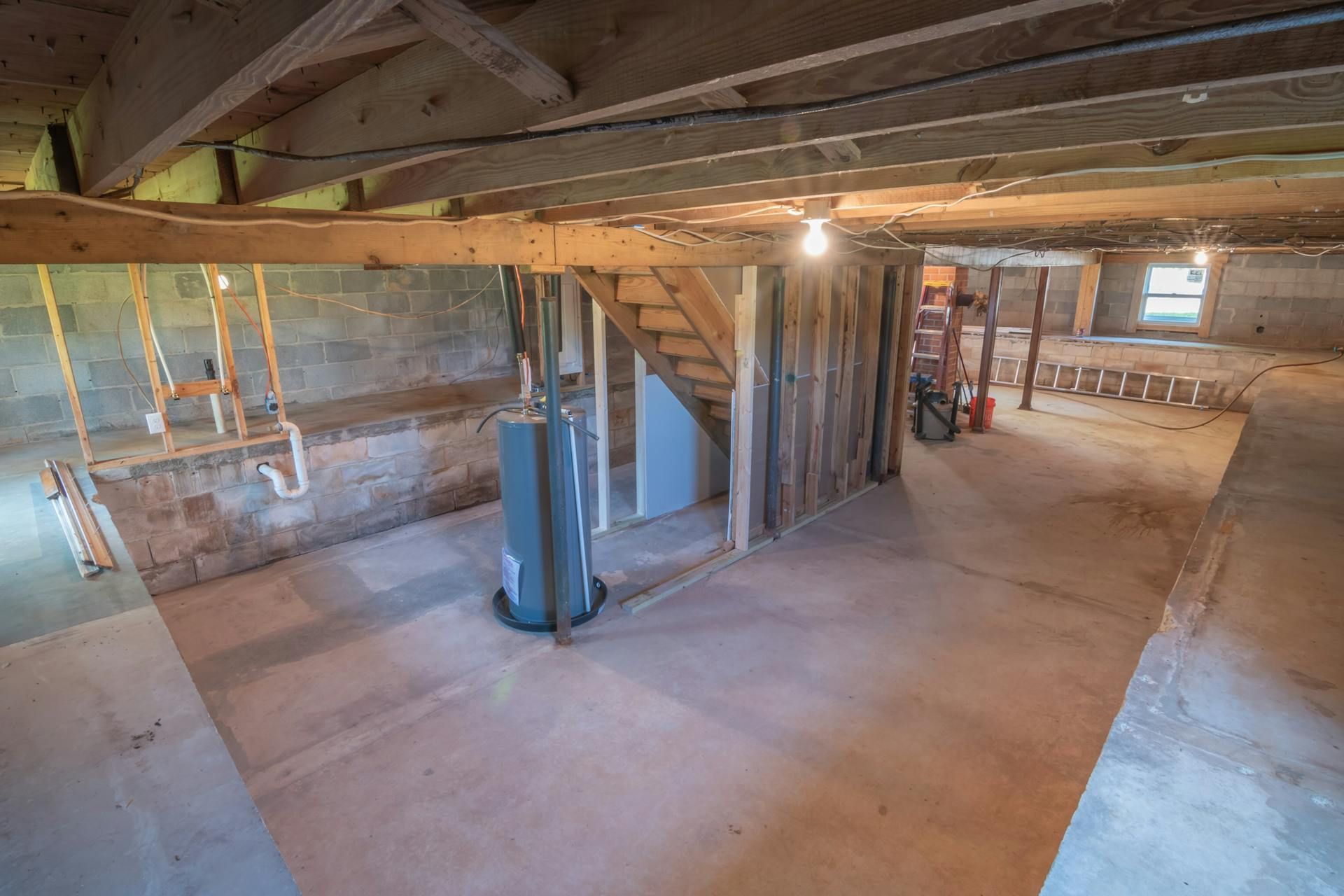
In most Connecticut homes, you'll find it in the basement near the front foundation wall, close to where the water line enters from the street. Some homes have the valve near the water heater or in a utility closet.
Pro tip: Tag your main shutoff valve with a bright label so anyone in your household can find it quickly during an emergency. We also recommend testing the valve periodically to ensure it turns smoothly and completely shuts off water flow.
Key Takeaways
- Locate and shut off your main water supply valve immediately upon discovering a burst pipe
- The main valve is typically found in the basement near where the water line enters your home
- Test your shutoff valve annually to ensure it operates smoothly in an emergency
Step Two: Address Electrical Safety Concerns
Water and electricity create a dangerous combination. If a pipe bursts near electrical equipment, it's vital to take precautions.
Shut off the power to avoid the risk of water coming into contact with electricity, which could lead to a dangerous situation.
Head to your electrical panel and turn off the breaker for the affected area.
If you're uncertain which breaker controls that section of your home, or if water has pooled extensively, turn off the main breaker to be safe. Always prioritize safety and avoid touching any electrical switches or appliances with wet hands or while standing in water.
This step is particularly important in basements where burst pipes often occur near water heaters, furnaces, and other electrical equipment. Don't take chances with electrical hazards—the repair can wait, but your safety cannot.
Key Takeaways
- Turn off electricity to the affected area before wading through standing water
- If unsure which breaker controls the flooded area, shut off the main breaker
- Never touch electrical switches or appliances while standing in water or with wet hands
Step Three: Drain Remaining Water from the System
Once the main water supply is off, open all faucets throughout your home to drain the remaining water from your pipes.
Drain the Faucets: Once the main valve is off, open all faucets to drain the remaining water in the pipes. This helps to reduce the pressure in the system and minimize leaking from the burst section.
Start with the faucet at the highest point in your home and work your way down.
Don't forget to flush toilets to empty the tanks and bowls.
This step serves two important purposes: it relieves pressure throughout your plumbing system and reduces the amount of water that can continue escaping from the damaged pipe.
If the burst occurred because of freezing, be particularly careful during this process. Additional frozen sections may exist elsewhere in your plumbing, and relieving pressure helps prevent secondary bursts as temperatures fluctuate.
Key Takeaways
- Open all faucets from highest to lowest to drain remaining water from pipes
- Flush toilets to empty tanks and reduce system pressure
- This prevents additional water from escaping through the damaged section
Step Four: Call an Emergency Plumber Right Away
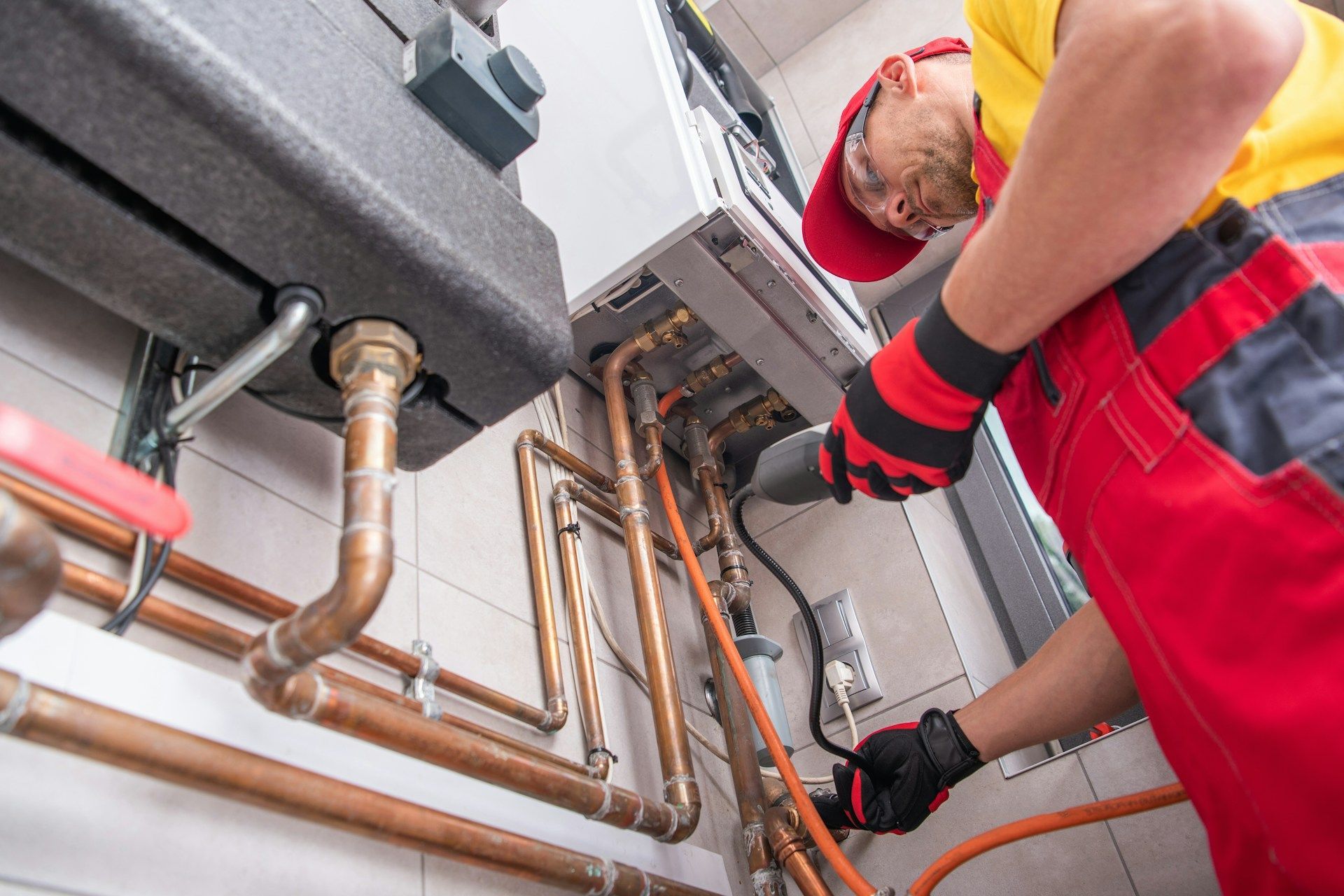
Once you've shut off the water to your burst pipe and your home's electricity isn't posing any risks, it's time to call in a plumber.
If you can't shut off your water, time becomes even more critical, and you should call an emergency plumbing service before excessive damage occurs.
Burst pipes require professional expertise to repair properly. While it might be tempting to attempt a DIY fix, even if you think you're up for the job, it's best to let professional plumbers complete pipe repair work as an incorrect DIY job can lead to more pipe problems, water damage, and repair costs.
When you call for
emergency leak repair services, have the following information ready:
- Your address and best contact number
- Location of the burst pipe (if visible)
- Type of water involved (clean water from a supply line or potentially contaminated water)
- Extent of flooding you can observe
- Whether you've successfully shut off the water supply
A qualified plumber will assess the damage, determine the cause of the burst, and implement proper repairs that address both the immediate problem and any underlying issues.
Key Takeaways
- Contact a licensed emergency plumber as soon as you've controlled the immediate situation
- Have details ready about the burst location and extent of flooding
- Professional repairs prevent recurring problems and additional damage
Step Five: Begin Water Removal and Damage Control
Water damage is the longest-lasting effect of a burst pipe, so you want to prevent as much as possible. While waiting for your plumber to arrive, start removing standing water to minimize damage to your home.
Immediate actions to take:
- Use buckets, mops, and towels to remove standing water
- A wet/dry vacuum works excellently for larger amounts of water
- Move furniture, electronics, and valuables away from wet areas
- Pull up wet rugs and carpets if possible
- Open windows and doors to increase air circulation (weather permitting)
Water left standing for over 48 hours increases mold risk. The faster you remove moisture from your home, the less likely you'll face secondary problems like mold growth, warped flooring, or structural damage.
If the flooding is extensive, you may need to contact a water mitigation company in addition to your plumber. These specialists have commercial-grade equipment to extract water and thoroughly dry your home's structure.
Key Takeaways
- Remove standing water as quickly as possible using buckets, towels, or a wet/dry vacuum
- Move valuables and furniture away from affected areas
- Water standing for over 48 hours significantly increases mold risk
Understanding Why Pipes Burst in Connecticut Homes
Connecticut's climate creates specific challenges for residential plumbing systems.
Understanding what causes pipes to burst can help you prevent future emergencies.
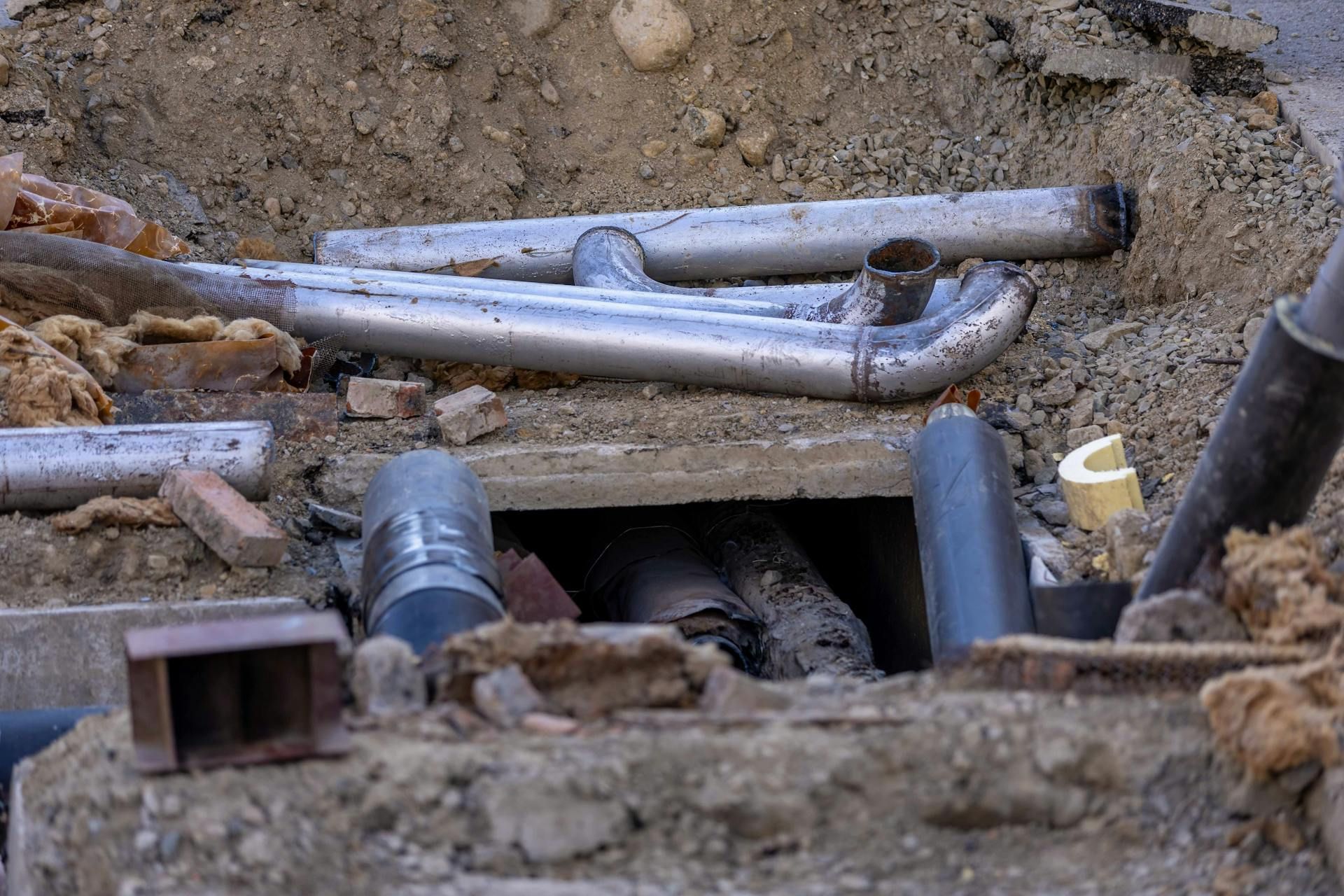
Freezing temperatures are the leading cause of burst pipes in our region. When water in pipes freezes, it expands.
This expansion puts pressure on the pipe walls and joints, causing cracks and bursts. Pipes that run through uninsulated exterior walls or attics are particularly vulnerable.
Bristol's cold winters and the older housing stock throughout Hartford, Litchfield, and New Haven counties mean many homes have pipes in vulnerable locations. Areas of particular concern include:
- Unheated basements and crawl spaces
- Exterior walls with inadequate insulation
- Attic spaces where plumbing runs
- Garages with water supply lines
- Outdoor hose bibs that weren't properly winterized
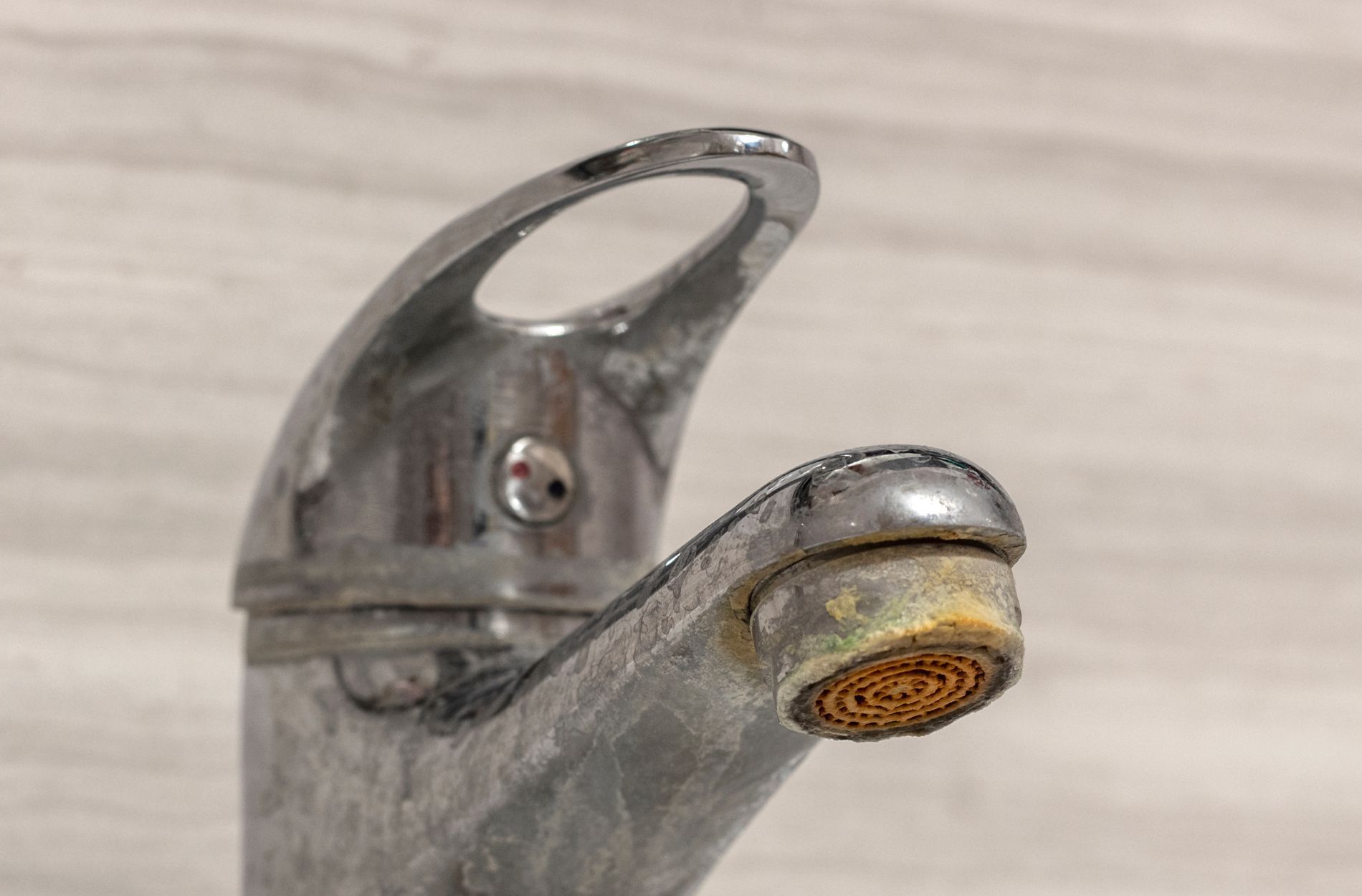
Beyond freezing, pipes can also burst due to corrosion in older plumbing systems, excessive water pressure, severe clogs that create pressure buildup, or simply age-related deterioration.
Our team at
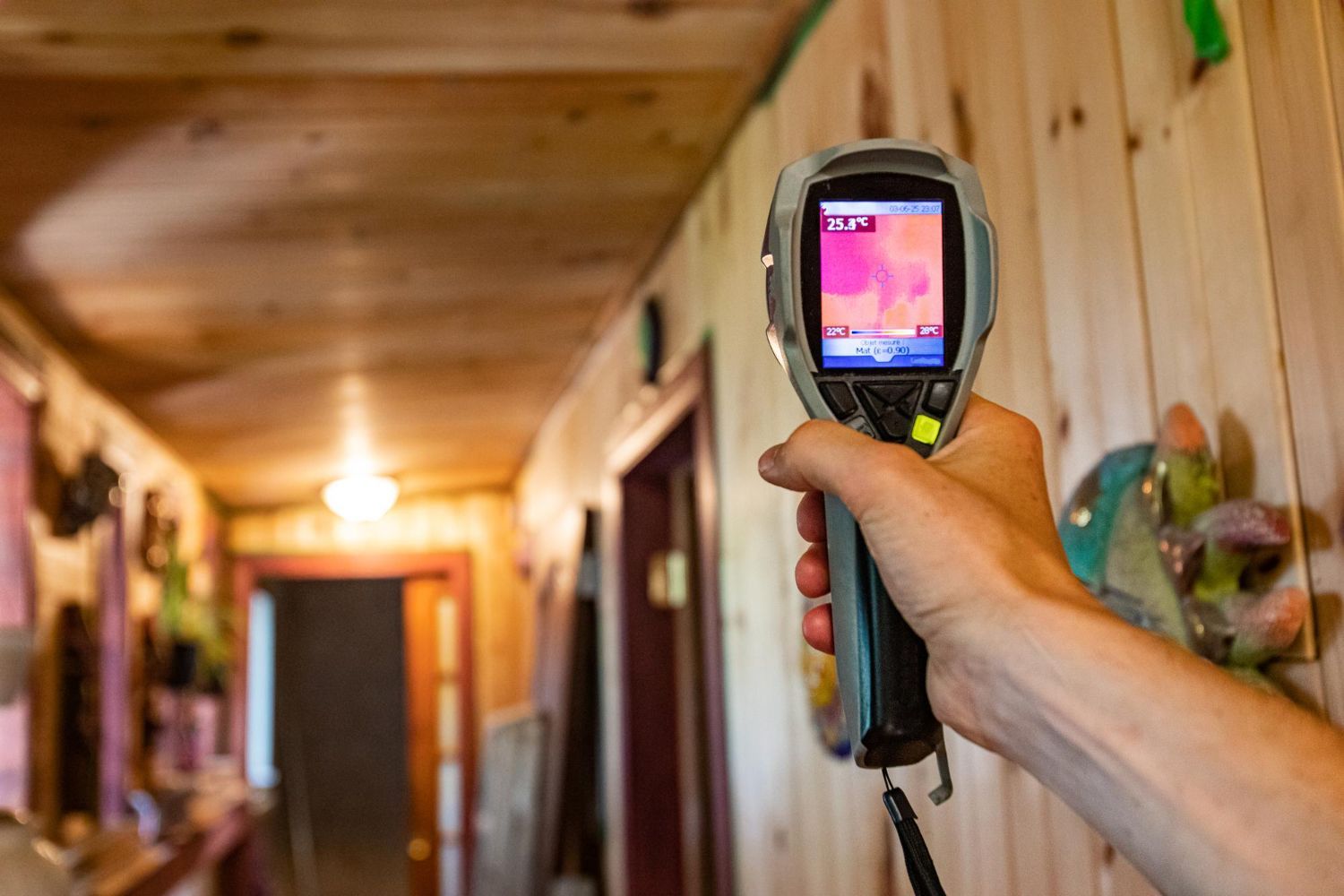
Elite Mechanical can inspect your plumbing system and identify potential weak points before they become emergencies.
Key Takeaways
- Freezing is the primary cause of burst pipes in Connecticut due to our cold winters
- Pipes in unheated areas like basements, crawl spaces, and exterior walls face the highest risk
- Older homes with original plumbing are particularly susceptible to bursts from corrosion and wear
How to Handle Insurance After a Burst Pipe
A burst pipe can result in significant financial consequences.
The average insurance payout for water damage and freezing claims between 2018 and 2022 was $13,954 per claim.
Understanding your insurance coverage and proper claims procedures helps ensure you receive appropriate compensation.
Accidental water damage that occurs as a result of a sudden, unexpected occurrence like a burst pipe is often covered by a homeowners insurance policy.
In addition, cleaning, repair or replacement of wood flooring, drywall and even furniture due to water damage as a result of a burst pipe typically is covered.
Important steps for your insurance claim:
- Document everything with photos and videos before cleanup begins
- Keep a detailed list of damaged items including their approximate value
- Save receipts for emergency repairs and temporary accommodations
- Contact your insurance company promptly to report the incident
- Keep the damaged pipe section if possible—your adjuster may want to see it
However, if you ignore a known leak or other long-standing problem, there may not be coverage for your claim.
This is why addressing plumbing issues promptly matters—neglected maintenance can result in denied claims when larger problems develop.
Key Takeaways
- Homeowners insurance typically covers sudden, accidental water damage from burst pipes
- Document all damage thoroughly with photos and detailed lists before beginning cleanup
- Contact your insurance company promptly and keep all repair receipts
Preventing Future Pipe Bursts
Once you've weathered a burst pipe emergency, you'll want to take steps to prevent it from happening again. Prevention is always more cost-effective than emergency repairs.
Winterization strategies for Connecticut homes:
- Insulate pipes in unheated areas using foam sleeves or heat tape
- Seal air leaks around pipes where they pass through walls
- Keep your thermostat set to at least 55°F when away from home
- Open cabinet doors under sinks on exterior walls during extreme cold
- Let faucets drip slightly during severe freezes to keep water moving
- Disconnect and drain outdoor hoses before winter
Year-round maintenance:
- Schedule annual plumbing inspections to catch problems early
- Address small leaks promptly before they become major issues
- Know the age and condition of your home's plumbing
- Consider upgrading older galvanized pipes that are prone to corrosion
- Install a
water filtration system to reduce mineral buildup that weakens pipes
Regular maintenance and preventive measures can save you thousands of dollars and significant stress down the road.
Key Takeaways
- Insulate pipes in vulnerable areas and seal air leaks around plumbing penetrations
- Maintain indoor temperatures above 55°F even when away during winter months
- Schedule annual plumbing inspections to identify potential problems early
When Every Minute Counts, We're Here to Help
A burst pipe is a stressful emergency, but knowing the right steps to take can significantly reduce the damage to your home and belongings.
Remember: shut off the water, address electrical safety, drain the system, call a professional, and begin water removal. These actions in the right sequence give you the best chance of minimizing the impact.
For nearly two decades, we've been the team Connecticut homeowners call when plumbing emergencies strike. Our licensed plumbers respond quickly throughout Hartford, Litchfield, and New Haven counties, arriving with fully-equipped vehicles to handle burst pipe repairs efficiently and correctly.
Don't wait when water is flowing. Call us immediately at
860-579-6720 for emergency plumbing service. We prioritize burst pipes and major leaks, often arriving within hours to stop the damage and restore your home's plumbing system.