Hard water is one of those silent household problems that many Connecticut homeowners don't think about until something goes wrong.
If you've noticed white crusty buildup around your faucets, spotted dishes coming out of the dishwasher, or your water heater making strange noises, you're likely dealing with hard water damage.
We want to help you understand exactly what's happening inside your plumbing system and why addressing hard water early can save you thousands of dollars in repairs and appliance replacements.
Summary
- Hard water contains high concentrations of calcium and magnesium minerals that accumulate inside pipes, reducing water flow and causing premature plumbing failures
- Appliances like water heaters, dishwashers, and washing machines can lose 30% to 50% of their lifespan when operating with untreated hard water
- Connecticut's water is hard, with a state average hardness of 175 PPM, making water treatment especially important for homeowners in Hartford, Litchfield, and New Haven counties
- Installing a
water softener or
filtration system is the most effective long-term solution for protecting your plumbing infrastructure and household appliances
What Makes Water "Hard" and Why Should You Care?
Hard water simply means your water supply contains elevated levels of dissolved minerals, primarily calcium and magnesium.
These minerals get picked up as water travels through soil and rock formations before reaching your home. While hard water is perfectly safe to drink, it creates serious problems for your plumbing system and appliances over time.
85% of homeowners in the U.S deal with hard water to some degree, and Connecticut residents face particularly challenging conditions.
The geological makeup of our region means that most households receive water with mineral concentrations high enough to cause damage.
When hard water flows through your pipes and appliances, something problematic happens.
When hard water is heated, a certain amount of water evaporates, causing the minerals suspended in it to precipitate. This solidified scale (or limescale) can then accumulate inside your pipes, water heater, washing machine and dishwasher.
Key Takeaways
- Hard water contains calcium and magnesium minerals that precipitate when heated
- Approximately 85% of American households have hard water issues
- Connecticut's geological conditions create particularly hard water throughout the state
How Hard Water Silently Destroys Your Plumbing System
The damage hard water causes to your pipes happens gradually and often goes unnoticed until a major problem develops.
Because you can't look inside your pipes very easily, this silent problem often goes untreated for many years and only makes itself known when a major (and costly) issue arises.
Scale deposits build up layer by layer on the interior walls of your pipes. Over time, this narrows the diameter available for water to flow through. A study by the Water Quality Association found that homes with hard water experience a 25% decrease in water flow due to these buildups.
The consequences extend beyond just reduced water pressure. Over time, this rise in pressure can cause pipes to crack or burst.
Additionally, mineral deposits can also accelerate the corrosion of metal pipes. The minerals can create a chemical reaction with the metal, leading to rust and weakened piping.
Signs of pipe damage from hard water include:
- Noticeably reduced water pressure at faucets and showerheads
- Slow-draining sinks and bathtubs
- Frequent clogs that require professional clearing
- Visible white or yellowish buildup around pipe connections
- Unexplained increases in water bills
Under normal circumstances, your household's plumbing should last for 50 years, but frequent clogs or corrosion caused by hard water buildup can shorten this lifespan significantly.
If you're experiencing any of these warning signs, we recommend having your
water quality assessed by professionals who understand Connecticut's unique hard water challenges.
Key Takeaways
- Hard water buildup reduces pipe diameter and water flow by up to 25%
- Scale accumulation can cause pipes to crack or burst from increased pressure
- Plumbing that should last 50 years may fail much sooner with untreated hard water
The Hidden Cost of Hard Water Damage to Your Appliances
Your water-using appliances suffer tremendously from hard water exposure. The financial impact goes far beyond the inconvenience of spotty dishes or stiff laundry.
We're talking about significantly shortened appliance lifespans and dramatically increased energy costs.
Water heaters take the hardest hit. Limescale is likely to build up around the heating elements of a traditional storage water heater, and potentially in the heat exchanger of a tankless water heater.
This can reduce the efficiency of your water heater, increasing your hot water energy bills by as much as 33%. A water heater that should provide 10-15 years of reliable service might only last 6-8 years when constantly exposed to hard water.
Dishwashers and washing machines experience similar problems. A study indicated that washing machines operating with hard water suffer a 30% reduction in lifespan due to mineral build-up. The scale accumulates on heating elements, spray arms, and internal valves, forcing these appliances to work harder and break down more frequently.
The numbers are sobering when you consider overall appliance impact. This can amount to a 30% to 50% decrease in the lifespan of major appliances due to the extreme wear and tear, as well as increased maintenance needs.
Additionally, scale buildup can increase energy bills by up to 29% by reducing the efficiency of your water heater and other appliances.
Even smaller appliances aren't immune. Your coffee maker, refrigerator ice maker, and humidifier all suffer from mineral buildup that affects performance and taste. Many appliance manufacturers exclude scale damage from warranties, meaning you're on the hook for repairs and replacements.
Key Takeaways
- Water heaters can experience up to 33% higher energy bills due to scale buildup
- Washing machines may lose 30% of their expected lifespan from hard water exposure
- Overall appliance lifespans can decrease by 30-50% without water treatment
Recognizing Hard Water Warning Signs in Your Home
Before hard water causes catastrophic damage, it usually provides plenty of warning signs. Learning to recognize these indicators early can help you take action before expensive repairs become necessary.
Visual clues around your home:
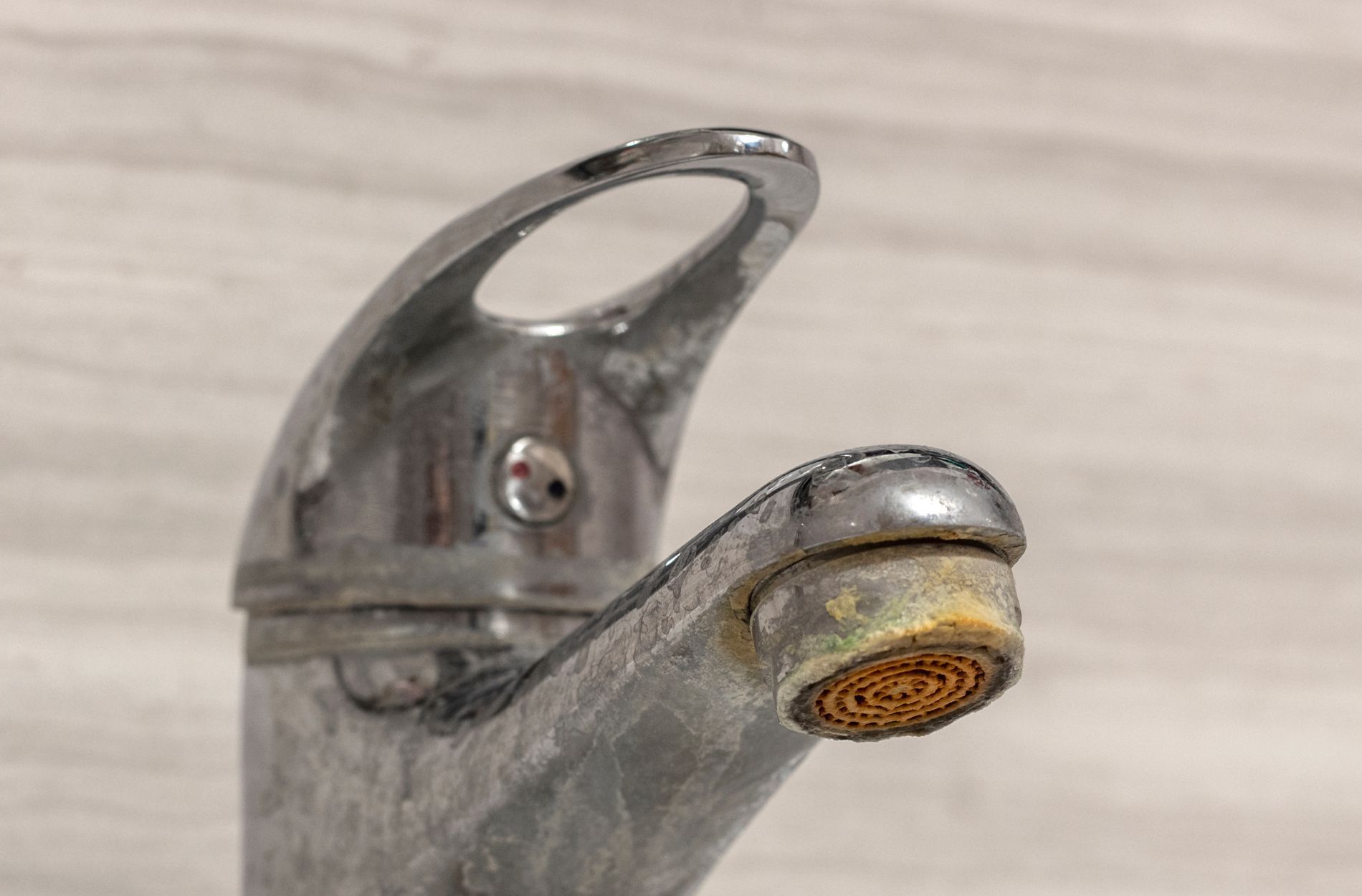
The telltale white, chalky deposits around faucets and showerheads are your most obvious indicator. These limescale formations show exactly what's happening inside your pipes where you can't see. Soap scum that's difficult to remove from shower doors and tub surfaces also signals hard water issues.
Problems with cleaning:
Hard water interferes with soap and detergent effectiveness. If you find yourself using more laundry detergent, more dish soap, or more shampoo than seems reasonable, hard water is likely the culprit. Clothes may feel stiff after washing, and colors fade faster than expected.
Physical sensations:
Many people with hard water notice their skin feels dry and itchy after showering. Hair may appear dull and feel coated with residue. These effects occur because soap doesn't rinse away completely in hard water.
Appliance behavior:
Strange sounds from your water heater, particularly popping or rumbling noises, indicate sediment buildup at the bottom of the tank. Dishes with cloudy spots, glasses that break easily, and appliances requiring frequent repairs all point toward hard water damage.
For homeowners in
Bristol,
West Hartford,
Southington, and surrounding Connecticut communities,
our plumbers at
Elite Mechanical can perform comprehensive water testing to determine your exact hardness levels and recommend appropriate solutions.
Key Takeaways
- White buildup on fixtures mirrors what's accumulating inside your pipes
- Increased soap and detergent usage indicates hard water interference
- Strange water heater noises signal sediment buildup requiring attention
Effective Solutions for Protecting Your Home from Hard Water
Understanding the problem is only half the battle. Taking action to protect your plumbing and appliances requires choosing the right water treatment solution for your specific situation.
Water softeners remain the gold standard for comprehensive hard water treatment. These systems work by removing calcium and magnesium ions from your water supply through an ion exchange process, replacing them with sodium or potassium ions. The result is water that won't leave scale deposits in your pipes or appliances.
Whole-house water filtration systems offer another effective approach, particularly for homes concerned about overall water quality beyond just hardness. These systems can address multiple water quality issues simultaneously, including sediment, chlorine, and other contaminants.
The benefits of treating your water extend throughout your entire home. Soft water means your
water heater operates more efficiently, your appliances last longer, and everyday cleaning becomes easier. Many homeowners report using 50% less soap and detergent after installing water treatment systems.
Professional installation matters significantly for water treatment equipment. Properly sized and installed systems perform better and last longer than DIY attempts. A qualified technician will analyze your water hardness levels, household water usage, and plumbing configuration to recommend the ideal solution.
Regular maintenance keeps your water treatment system performing optimally. Salt-based softeners need periodic salt replenishment and annual professional inspections. These simple maintenance tasks ensure your investment continues protecting your home for years to come.
Key Takeaways
- Water softeners use ion exchange to remove hardness minerals effectively
- Professional installation ensures proper sizing and optimal performance
- Regular maintenance extends system life and maintains protection
Take Action Before Hard Water Costs You More
Hard water damage is progressive—the longer you wait to address it, the more expensive the consequences become. Pipes narrow further, appliances work harder, and the risk of catastrophic failures increases with each passing month.
Connecticut homeowners face particularly challenging water conditions that make treatment especially valuable. Investing in water quality solutions now protects your plumbing infrastructure, extends appliance lifespans, and improves daily comfort throughout your home.
We've helped hundreds of families across Hartford, Litchfield, and New Haven counties transform their water quality with professionally installed treatment systems. Our plumbers understand the specific hard water challenges in Connecticut communities and provide customized solutions that deliver real results.
Ready to protect your home from hard water damage?
Call us today at
860-579-6720 for a comprehensive water quality assessment. We'll test your water hardness, inspect your plumbing system for existing damage, and recommend the best solution for your family's needs—all with transparent pricing and no pressure tactics.