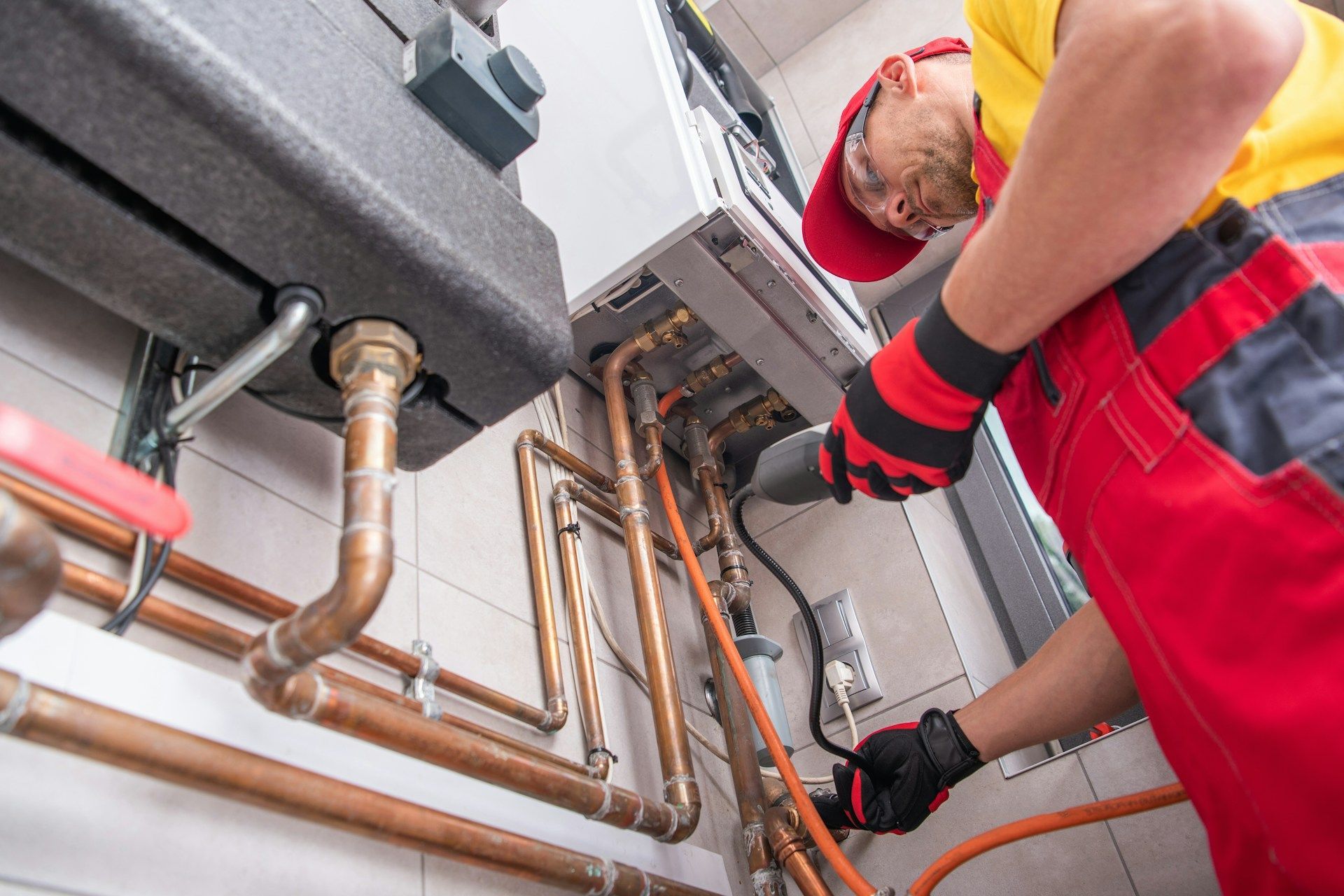
Your water heater should be set to
120°F (49°C) — this is the temperature recommended by the U.S. Department of Energy that balances scald prevention, bacterial safety, and energy efficiency. Most manufacturers ship water heaters preset to 140°F, which is higher than the average household needs and can pose real safety risks.
Understanding what temperature your water heater should be set at helps you save money, protect your family, and extend the life of your equipment.
At
Elite Mechanical Plumbing & Heating, we've spent nearly two decades helping Connecticut homeowners get the most from their plumbing systems.
We see firsthand how a simple thermostat adjustment can make a meaningful difference in comfort, safety, and monthly bills. In this guide, we'll walk you through everything you need to know about choosing the right setting for your home in Bristol, CT and the surrounding areas.
Summary
- The ideal water heater temperature for most households is 120°F, which prevents scalding, inhibits bacterial growth, and reduces energy costs by up to $400 per year compared to a 140°F setting.
- Water heated above 140°F can cause third-degree burns in as little as two seconds, making it especially dangerous for homes with young children or elderly residents.
- Certain households — including those with immunocompromised members or dishwashers lacking a booster heater — may need a setting closer to 130°F–140°F, paired with anti-scald mixing valves.
- Annual water heater maintenance and proper temperature calibration extend equipment lifespan and keep your system running efficiently throughout Connecticut's hard water conditions.
Why 120°F Is the Recommended Water Heater Temperature
The U.S. Department of Energy, the Environmental Protection Agency, and the Consumer Product Safety Commission all point to 120°F as the standard recommendation for residential water heaters. There's good reason for this consensus, and it comes down to a balance between three factors: safety, sanitation, and savings.
Setting your water heater to 120°F reduces scald risk while still killing most harmful waterborne bacteria. At this temperature, it takes more than five minutes of direct contact to cause a serious burn on typical adult skin. Compare that to water at 140°F, where severe burns can happen in just two seconds. For families with small children or elderly relatives, that difference is significant.
On the energy side, water heating accounts for roughly 14% to 18% of total household energy consumption. Simply lowering your thermostat from 140°F to 120°F can save between $36 and $61 annually in standby heat losses alone — and total savings including reduced hot water consumption can reach up to $400 per year.
Key Takeaways
- 120°F is the most widely recommended water heater setting by federal agencies and plumbing professionals across the country.
- At 140°F, burns can occur within two seconds of exposure — at 120°F, it takes over five minutes for similar injury to occur.
- Lowering your setting from 140°F to 120°F can reduce your water heating energy costs by 3% to 5% for every 10-degree reduction.
When You Might Need a Higher Temperature Setting
While 120°F works well for the majority of homes, there are specific situations where you may want to bump your water heater up to 130°F or even 140°F. We always recommend understanding your household's unique needs before making any changes.
Homes With Immunocompromised Residents
If anyone in your household has a suppressed immune system or chronic respiratory condition, keeping the temperature at 140°F helps reduce the already-small risk of Legionella bacteria.
Legionella thrives in stagnant water between 77°F and 113°F, and while 120°F kills most strains, 140°F provides an additional margin of safety for vulnerable individuals. If you do increase the temperature, we strongly recommend installing thermostatic mixing valves at each faucet and shower to prevent scalding.
Dishwashers Without a Booster Heater
Many modern dishwashers have built-in booster heaters that raise water temperature internally. But if your dishwasher lacks this feature, it may need incoming water between 130°F and 140°F for proper sanitization and cleaning performance. Check your appliance manual — if it doesn't have a booster, a slightly higher water heater setting makes sense.
Large Homes With Long Pipe Runs
In bigger homes — especially some of the older properties we see across Hartford and Litchfield counties — hot water can lose significant heat as it travels through long pipe runs. If you consistently notice lukewarm water at distant taps, a modest temperature increase may compensate for that heat loss. Insulating your hot water pipes is another effective solution we frequently recommend.
Key Takeaways
- Households with immunocompromised residents may benefit from a 140°F setting paired with anti-scald mixing valves at each point of use.
- Dishwashers without internal booster heaters often require water at 130°F–140°F for effective cleaning and sanitization.
- A water heater set too high without scald protection is more dangerous than one set slightly below the bacterial threshold.
The Real Dangers of Setting Your Water Heater Too High
Most water heaters leave the factory preset to 140°F, and many homeowners never think to adjust it. But that default setting carries real risks that go beyond just a higher utility bill.
Scalding Injuries
According to the Consumer Product Safety Commission, tap water scalds send thousands of people to emergency rooms every year.
At 150°F, third-degree burns occur within two seconds of contact.
At 140°F, it takes about six seconds. Children under five and adults over sixty-five have thinner skin and are significantly more vulnerable. In Bristol, CT and throughout our service areas, we've seen homes where a simple thermostat adjustment would have prevented a painful incident.
Accelerated Equipment Wear
Running your water heater at a higher temperature doesn't just cost more — it accelerates mineral buildup and corrosion inside the tank. Connecticut's water tends to be on the harder side, which means mineral deposits form faster at elevated temperatures.
This shortens the usable life of your equipment and can lead to premature failures. We cover this in more detail in our guide on
how long water heaters last and when to replace yours.
Wasted Energy and Money
Every 10°F reduction in your water heater temperature saves approximately 3% to 5% on water heating energy costs. A household running at 140°F instead of 120°F is essentially paying a premium for dangerously hot water it doesn't need. Over the typical 10- to 12-year lifespan of a tank water heater, those savings add up substantially.
Key Takeaways
- Factory-default settings of 140°F are higher than most homes require and carry measurable scald risk, especially for children and the elderly.
- Higher temperatures accelerate mineral buildup and corrosion, particularly in Connecticut's harder water conditions, shortening equipment lifespan.
- Reducing your water heater from 140°F to 120°F can save a household up to $400 annually in combined energy costs.
How to Check and Adjust Your Water Heater Temperature
Checking your current water heater temperature is straightforward, and you don't necessarily need a professional to do it — though we're always happy to help during a
routine water heater service visit.
Step-by-Step: Testing Your Water Temperature
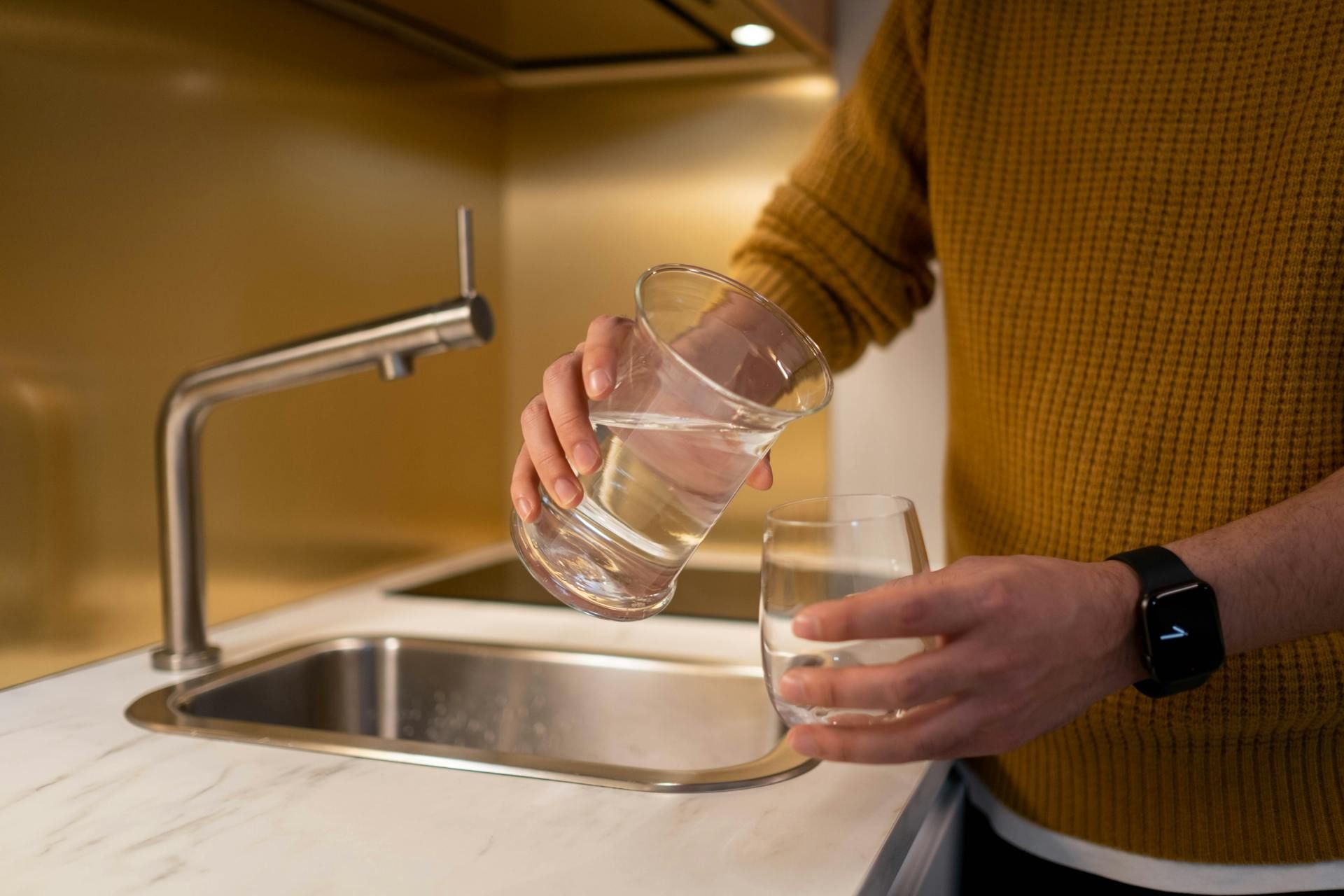
- Turn on the hot water tap closest to your water heater and let it run for at least three minutes to clear any cooled water from the pipes.
- Fill a glass or cup and use a kitchen thermometer to check the temperature.
- Compare your reading to your desired setting. If it's above 120°F and you don't have a specific reason for a higher temperature, consider lowering it.
Adjusting a Gas Water Heater
Gas water heaters typically have a temperature dial on the gas control valve near the bottom of the tank. Turn it to the desired setting — many dials use labels like "Hot" (roughly 120°F), "A" (130°F), and "Very Hot" (140°F+) rather than exact numbers.
Adjusting an Electric Water Heater
Electric water heaters usually have one or two thermostats behind screw-on panels on the tank.
Always turn off the circuit breaker before removing any panel. If there are two thermostats, set them both to the same temperature. The typical range runs from 95°F up to 150°F.
After Adjusting
Wait at least three hours before retesting. Run the hot water at the nearest tap for a few minutes and measure again.
Mark your dial once you've found the sweet spot so you don't have to repeat the process. Check the setting periodically during routine maintenance.
Key Takeaways
- Use a kitchen thermometer at the nearest hot tap to verify your actual water temperature — don't rely solely on the dial markings, which are often imprecise.
- Always shut off the circuit breaker before adjusting thermostats on electric water heaters — safety should never be an afterthought.
- Retest after three hours and mark the dial position once you reach your ideal setting.
Special Considerations for Tankless Water Heaters
If you have a tankless water heater, the temperature conversation shifts slightly. Tankless systems heat water on demand rather than storing it, which eliminates the risk of bacterial growth from stagnant standing water. That said,
the recommended output temperature for tankless units is still 120°F for most households.
Tankless systems offer precise digital temperature controls, making it easy to set an exact temperature rather than guessing at dial markings. Many homeowners in Bristol, CT who've upgraded to tankless models appreciate this level of control. We discuss the benefits of these systems in detail on our blog about
tankless water heaters for Bristol homes.
One thing to keep in mind: because tankless units heat water as it flows, the output temperature can vary slightly based on incoming water temperature and flow rate.
During Connecticut's colder months, groundwater temperatures drop — sometimes into the low 40s°F — which means your tankless system has to work harder to reach the set temperature. If you notice inconsistencies in winter, a professional calibration can help.
Key Takeaways
- Tankless water heaters eliminate the bacterial risk of stagnant water, but the recommended output temperature remains 120°F for safety and efficiency.
- Digital controls on tankless systems provide more precise temperature management than traditional dial-based tank heaters.
- Cold Connecticut groundwater in winter can affect tankless performance — professional calibration ensures consistent output year-round.
Protect Your Home With Annual Water Heater Maintenance
Setting the right temperature is an important first step, but it works best as part of a regular maintenance routine. We recommend having your water heater professionally inspected once a year — and for homes with particularly hard water, twice a year may be beneficial.
During a typical maintenance visit, a qualified technician will flush the tank to remove sediment buildup, test the temperature and pressure relief valve, inspect heating elements or burner assemblies, and verify that the thermostat is reading accurately.
Annual water heater maintenance can extend equipment lifespan by 2 to 5 years and prevent up to 80% of common emergency failures. Sediment accumulation alone can reduce heating efficiency by as much as 25%, forcing your system to work harder and driving up energy costs.
For Connecticut homeowners dealing with harder water conditions, regular maintenance isn't optional — it's essential. Mineral deposits don't just affect efficiency; they can cause hot spots that weaken the tank lining and lead to leaks or premature failure.
Key Takeaways
- Annual professional maintenance extends water heater life, improves efficiency, and catches small problems before they become expensive emergencies.
- Sediment buildup can reduce heating efficiency by up to 25%, costing you more on every utility bill.
- Connecticut's water quality makes regular maintenance particularly important for protecting your investment.
Keep Your Water Heater Running Right — We're Here to Help
Getting your water heater temperature dialed in correctly is one of the simplest things you can do to protect your family, save money, and extend the life of your equipment.
Whether you need help adjusting your thermostat, scheduling annual maintenance, or evaluating whether it's time for an upgrade, our licensed technicians at Elite Mechanical Plumbing & Heating are ready to help homeowners across Bristol, CT and throughout Hartford, Litchfield, and New Haven counties.
Give us a call at (860) 584-8844 to schedule your water heater inspection or ask us any questions about your system. We provide upfront pricing, same-day service for emergencies, and the kind of honest guidance you'd expect from neighbors who've been doing this for nearly two decades.