Understanding Water Heater Replacement Options in Bristol Homes
A reliable water heater is one of those things you do not think about until the water runs cold in the middle of a shower. When a unit starts to fail, it affects comfort, safety, and your monthly bills. Replacing a water heater at the right time helps keep your home comfortable and can prevent bigger problems like leaks and water damage.
In this article, we will walk through how to tell when your water heater is nearing the end, the different replacement options, and what to think about before you choose a new system. We will also touch on installation, maintenance, and why planning ahead matters for homes around Bristol and the surrounding counties.
Avoid Cold Showers: Know When to Replace Your Heater
Timely water heater replacement matters more than many people realize. A failing unit can waste energy, struggle to keep up with demand, and sometimes create unsafe conditions around gas lines, hot water, and stored water in finished spaces.
Common warning signs that it might be time to plan a replacement include:
- Inconsistent hot water or sudden temperature swings
- Strange popping or rumbling noises from the tank
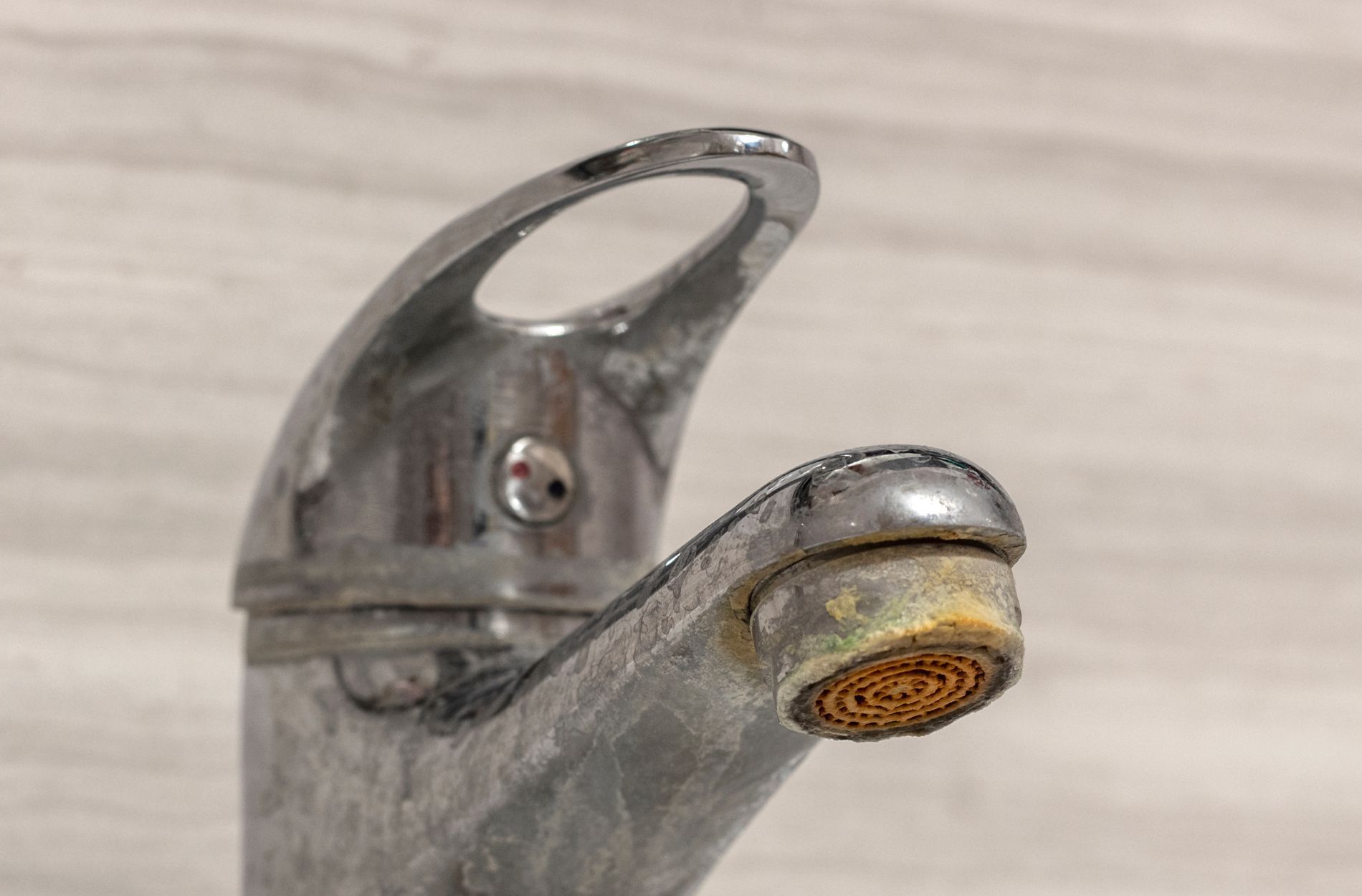
- Rusty or discolored hot water from your taps
- Moisture or leaks around the base of the heater
- Rising energy bills without any change in usage
For homeowners in Bristol and across Hartford, Litchfield, and New Haven counties, having a local plumbing and heating team to guide you through water heater replacement options can make the process much easier. By the end of this article, you will have a clear picture of the types of systems available, what affects cost and sizing decisions, and when it is smart to schedule a professional evaluation, especially before the next stretch of heavy heating and hot water use.
Signs Your Water Heater Is Near the End
Age is one of the main clues. Traditional tank water heaters usually last about 8 to 12 years when they are cared for. Tankless units often last longer, sometimes 15 to 20 years, with proper maintenance. Once a heater gets close to these ranges, it is smart to start watching for performance changes.
You might notice:
- Water taking longer to heat up
- Shorter hot showers than you used to have
- Frequent resets, burner problems, or pilot issues
Sound and sight also tell you a lot. Sediment can build up inside the tank over time. When that happens, the heater may make popping, banging, or rumbling sounds as water bubbles through the hardened layer at the bottom. Rusty or brown hot water, corrosion around valves or pipe connections, and even very small leaks around the base are all red flags.
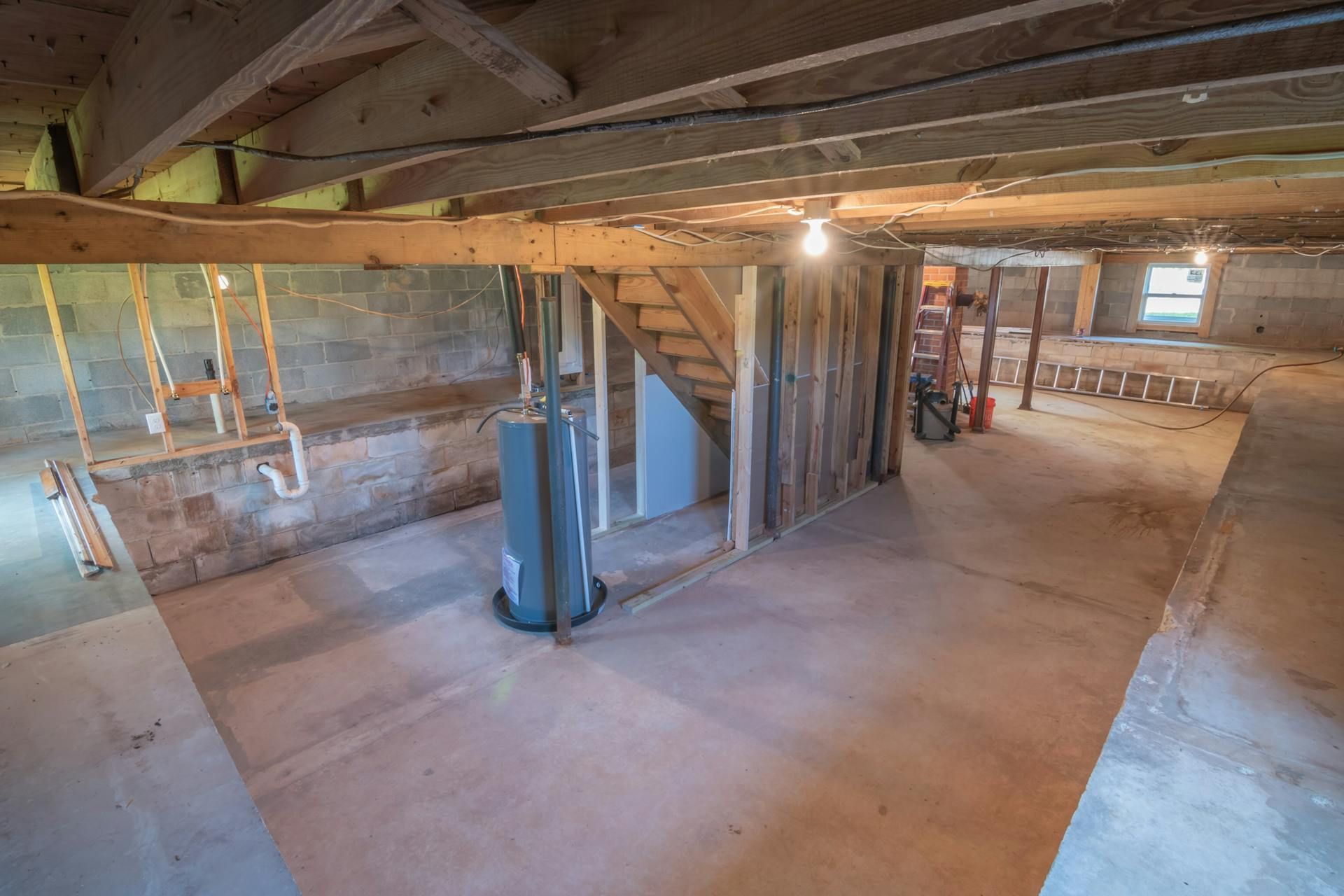
There are safety and efficiency concerns too. Older heaters can run harder and use more energy, which shows up on your utility bill. If a tank overheats or has pressure problems, it can put stress on relief valves and piping. Leaks near finished basements, storage areas, or living spaces can quickly become a big repair headache. Replacing a water heater before it fails can help you avoid an emergency breakdown during a cold snap in Connecticut.
Comparing Water Heater Replacement Options
Most Bristol homes have either a standard tank water heater or a tankless unit. Standard tank heaters store a set amount of hot water, then refill and reheat as you use it. Common sizes for local homes are often in the 40 to 75 gallon range, depending on family size and how many bathrooms are in the house.
Traditional tank units offer:
- Lower upfront cost compared to some other options
- A simple replacement process when swapping like-for-like
- Widely available parts and service
Tankless water heaters work differently. They do not store a large volume of hot water. Instead, they heat water as it flows through the unit. This on-demand style can save space and may reduce energy use because the unit is not constantly reheating a full tank. There are also high-efficiency tank models that use better insulation and improved design to lose less heat and recover faster.
Fuel type is another big factor for homes in Hartford and Litchfield counties. You will commonly see:
- Natural gas or propane systems
- Electric water heaters
- Oil-fired units in some homes
Your existing fuel source, venting, and electrical capacity all shape what is practical. Local plumbing and building codes in Bristol and surrounding towns also affect what type of system can be installed and how it must be vented and piped.
How to Choose the Right Water Heater for Your Home
Choosing a new water heater starts with how much hot water your household actually uses. A small condo with one bathroom and light laundry needs is very different from a multi-bathroom single-family home with frequent showers and daily dishwasher use.
Key sizing factors include:
- Number of people living in the home
- Number of bathrooms and how often they are used
- Hot water use for laundry and dishes
- Any large tubs or multi-head showers
Bigger is not always better. A tank that is too large for your needs can waste energy by keeping more water hot than you regularly use. On the other hand, a tankless unit that is too small may struggle to keep up when multiple fixtures run at the same time.
Budget is about more than the initial installation. Some systems cost more up front but may use less energy over time. There may also be rebates or incentives available for certain high-efficiency replacements in Connecticut, which can help offset part of the investment.
Timing matters too. Many homeowners wait until the old water heater fails completely. That often leads to rushed decisions and emergency visits. Planning replacement when you first see warning signs lets you:
- Compare different system types calmly
- Schedule work ahead of peak cold weather
- Reduce the risk of a no-hot-water surprise
Professional Installation, Codes, and Long-Term Care
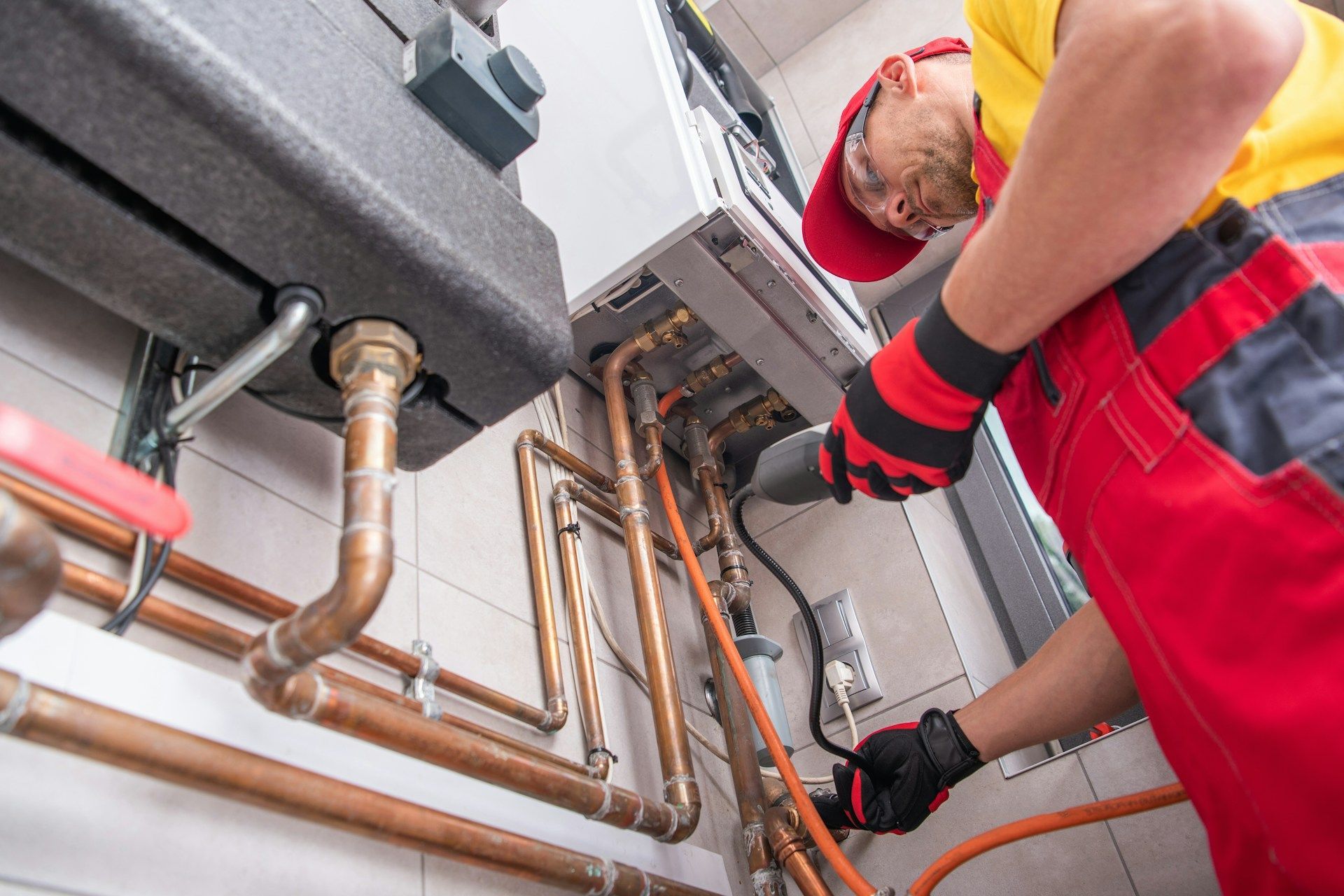
Water heater replacement is not a simple swap. Professional installation is important for safety and long-term performance. Gas connections, venting, pressure relief valves, and drainage all have to be handled correctly. The heater must be sized, placed, and piped in a way that limits leaks, helps prevent scalding, and protects the equipment.
Many towns in the Bristol area require permits and inspections for water heater replacement. Local plumbing and building codes set rules about venting, gas line sizing, drain pan use, and where pressure relief valves discharge. A qualified installer will handle permits, follow code, and arrange any needed inspections across Hartford, Litchfield, and New Haven counties.
On installation day, you can usually expect:
- A review of your existing system and any special concerns
- Safe removal and disposal of the old heater
- Installation of the new unit, including piping and venting
- Testing for proper operation, safety, and leak detection
- Cleanup of the work area
Homeowners can help by clearing a path to the water heater, moving stored items away from the area, and asking any questions about operation, settings, and maintenance while the installer is on site.
Protecting your new heater starts on day one. Simple maintenance steps can stretch the life of many systems. Periodic tank flushing can help limit sediment buildup inside traditional tanks. Checking the temperature setting and testing the temperature and pressure relief valve helps keep operation safer. Having a professional check the anode rod in a tank unit can slow down internal corrosion.
There are also smart upgrades that add comfort and protection, such as:
- Expansion tanks to manage pressure changes in closed systems
- Leak detectors and drain pans for heaters in finished or tight spaces
- Recirculation pumps in larger homes to cut down on long waits for hot water
Building a service relationship with a trusted local plumbing and heating company makes it easier to keep up with maintenance and spot issues early. Keeping a record of the installation date, model, serial number, and past service visits helps you plan for the next water heater replacement before problems start to show up in your daily routine.
Get Started With Your Project Today
If your hot water is unreliable or your system is showing its age, we can help you plan the right
water heater replacement for your home. At Elite Mechanical, we walk you through your options, explain costs clearly, and schedule work at a time that fits your routine. Reach out today so we can restore dependable hot water and help improve your home’s comfort and efficiency. If you are ready to talk to a technician, just
contact us.