What Gurgling Bathroom Drains Reveal About Your Plumbing
Gurgling drains might sound small, but they are usually your plumbing trying to get your attention. When a toilet flush or shower run make your sink or tub talk back, it often means air and water are fighting for space inside your pipes.
In this article, we will explain what those noises really mean, why they show up in the first place, and what signs tell you it is time to bring in a local pro for bathroom drain cleaning in Bristol. We will also share simple checks you can do on your own so small issues do not grow into major backups, especially as snowmelt, rain, and extra indoor water use put more stress on your plumbing in early spring.
What Gurgling Drains Usually Mean Inside Your Walls
Your home’s drains are not just pipes that carry water away. They also work with vent pipes that bring air into the system. When everything is working right, water flows down and air comes in behind it, so the water can move smoothly. Gurgling usually means air is getting pulled through the water in the trap because something is off.
Common reasons for that noise include:
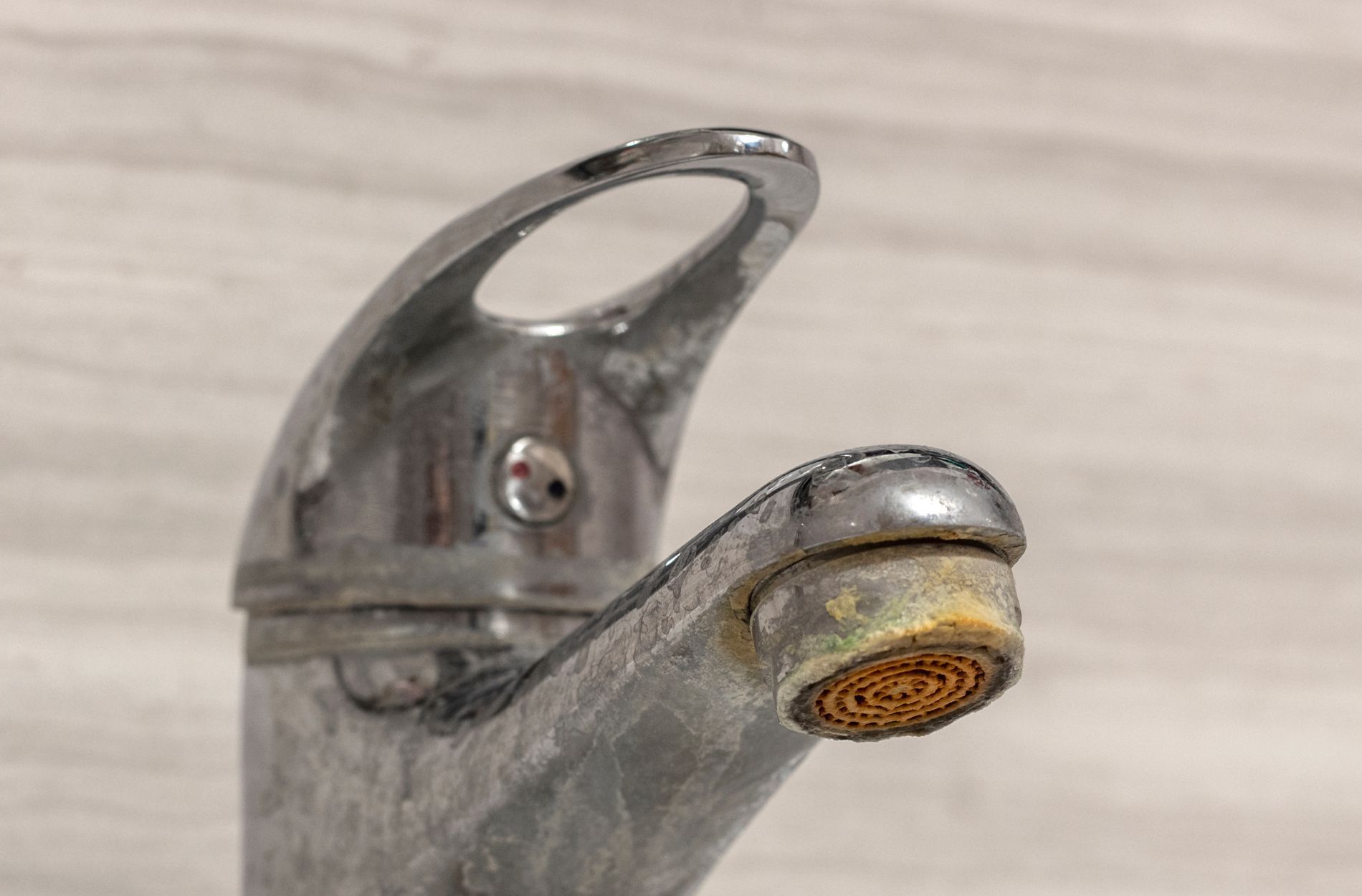
- Partial clogs from hair, soap scum, and toothpaste in bathroom sinks and tubs
- Buildup in branch lines from items like wipes or thicker paper products
- Blocked or undersized vent pipes that cannot bring in enough air
- Low spots or “bellies” in the drain line where debris settles and collects
When air has to fight its way through standing water or a partial clog, it makes that bubbling or gurgling sound you hear in your bathroom. It is your system telling you that water is not draining as freely as it should.
Ignoring these early warnings can lead to bigger problems over time, such as:
- Slow drains turning into full clogs and backups
- Bad smells from sewer gas finding a way into the house
- Extra pressure on pipes that can lead to leaks or damage
Older homes in Bristol and nearby towns often have aging drain pipes and vent setups that were designed under older plumbing codes. Those systems can be more likely to clog or vent poorly, so gurgling in those homes should never be brushed off as “just old pipes.”
When Gurgling Signals a Bigger Sewer or Vent Problem
Not all gurgling is the same. Sometimes it is only one clogged sink. Other times it is a sign that the main sewer line or vent system is struggling. Knowing the difference helps you protect your home.
Watch for these red flags that suggest a larger problem:
- Multiple fixtures gurgling at the same time, such as the toilet, tub, and sink
- The shower or tub backing up when the toilet is flushed
- Drains that are slow and noisy at the same time
- Rotten egg or sewer smells inside, near drains, or outside, near the foundation
When several fixtures act up together, the issue is often in the main sewer line or the main vent, not just one small branch. Tree roots, settled ground, or old pipe materials can let the main line clog or break. Grease and debris can also build up over years, especially when winter and early spring moisture push more groundwater around the pipes.
Roof vents can also freeze, crack, or get blocked by leaves, snow, or small animals. When vents cannot bring air into the system, the drains try to pull air through traps instead, and that is when you hear loud glugs and bubbles.
These bigger problems should be treated as urgent. If they are not fixed, they can lead to:
- Sewage backing up into bathrooms or basements
- Messy, expensive cleanups
- Health concerns from sewage exposure and sewer gas
Main line clogs and vent issues usually need professional tools and know-how. Camera inspections, proper drain machines, and other gear help find the exact problem and clear it without guessing.
Smart DIY Checks Before Calling a Plumber
There are simple, low-risk checks you can do before you bring in a professional. The goal is to get a clear picture of what is happening, not to tear into pipes or take big risks.
Helpful steps you can take:
- Notice which fixtures gurgle and when it happens, for example after flushing, draining the tub, or running the washer
- Look for standing water around toilets, tubs, and sinks
- Check ceilings under bathrooms for damp spots or stains
- Pay attention to musty or sewer-like odors near drains
- Gently remove and clean sink and tub stoppers to clear hair and soap buildup
There are also a few things it is better to skip:
- Do not pour large amounts of chemical drain cleaner into problem drains; they can be harsh on pipes and often do not fix serious clogs
- Do not force a drain snake deep into the line if you are not sure where the clog is; you can scratch or puncture pipes
- Do not vent plumbing fixtures into walls or ceilings yourself; vent work should always be handled by a pro
A simple way to think about it:
- If only one sink is slow and gurgling, the problem is likely close to that fixture
- If several drains gurgle, or the problem keeps getting worse, you probably need professional bathroom drain cleaning in Bristol and a full look at the system
Professional Drain Cleaning That Protects Your Home
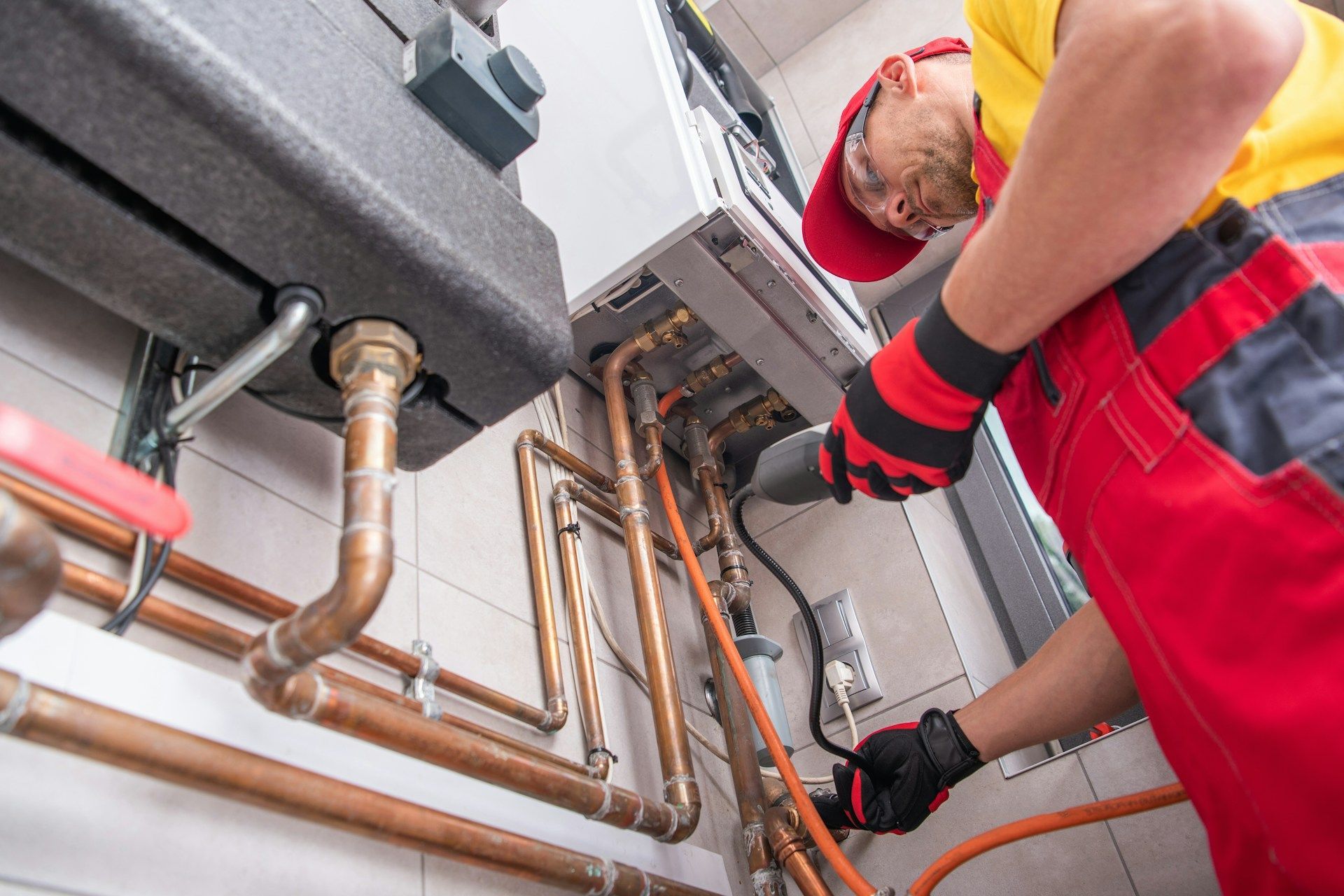
When you bring in a local plumber, the visit should be about more than just making the noise stop. Done right, it finds the cause of the gurgling and helps protect your home from future trouble.
A typical professional visit may include:
- Asking detailed questions about which fixtures gurgle and when
- Inspecting traps, visible drains, and any easy-to-access vent lines
- Testing how fast fixtures drain and how the system reacts
- Using professional-grade drain machines or hydro-jetting on deeper or tougher clogs
Professional drain cleaning does more than scratch the surface. Instead of poking a small hole in the blockage, the goal is to clear the buildup along the pipe walls so water and air can move freely again. During that process, a plumber can also spot things like:
- Vent pipes that are too small or blocked
- Low spots or sagging sections in the drain
- Signs of old materials that may be near the end of their service life
Local plumbers who work every day in Bristol and across Hartford, Litchfield, and New Haven counties are familiar with common issues in the area, such as older clay or cast-iron sewer lines, tree root pressure from mature yards, and freeze-thaw cycles that can shift pipes. That local knowledge helps them know where to look first and how to keep your drains ready for heavy spring rains and snowmelt.
Keep Your Drains Quiet and Healthy All Year Long
Once your drains are running quiet again, a few simple habits can help keep them that way. These steps are easy for most families and can make a big difference over time.
Good everyday habits include:
- Using strainers in sinks and tubs to catch hair and larger debris
- Cleaning those strainers regularly
- Avoiding flushing wipes, cotton products, or thick paper, even if they say “flushable”
- Keeping grease, oils, and heavy food scraps out of any connected drains
- Running hot water after baths and showers to help move soap and hair along
Seasonal awareness also helps. After strong storms, long cold snaps, or heavy snowmelt, pay closer attention to any new gurgling, slow drains, or odd smells. Those can be early signs that your plumbing is under extra stress. If your home has older plumbing or has had drain problems in the past, regular professional inspections or camera checks can help catch trouble early, before you wake up to a backed-up tub or a wet basement.
Protect Your Bathroom Drains With Professional Help Today
If you are noticing slow drains, unpleasant odors, or recurring clogs, our team at Elite Mechanical is ready to help restore your bathroom to normal. Learn how our expert
bathroom drain cleaning in Bristol can clear tough blockages quickly and safely. To schedule service or ask a question, simply
contact us and we will respond promptly to get you on the schedule.